Understanding Eliquis Coverage: Eligibility Criteria Under Medicare Explained
Medicare coverage for Eliquis, a popular blood thinner, comes with specific eligibility criteria. Understanding who qualifies can help beneficiaries manage their healthcare costs effectively. While many Medicare plans offer different levels of Eliquis coverage, the details can vary.
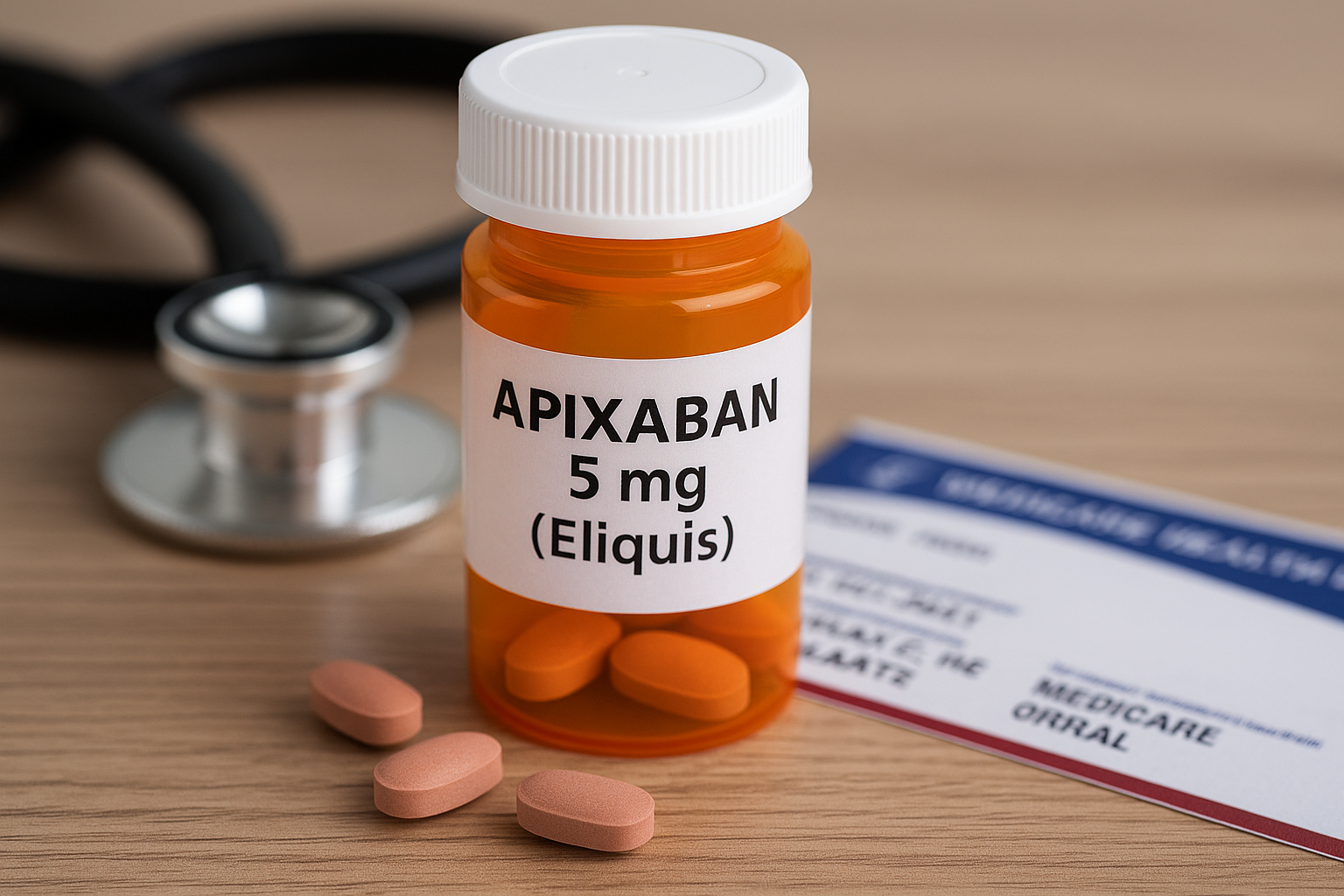
Understanding Medicare Coverage for Eliquis
Created to prevent blood clots and reduce the risk of stroke in certain patients, Eliquis (apixaban) is a commonly prescribed anticoagulant. As healthcare and prescription drug prices continue to rise, many patients look to Medicare for assistance. However, understanding who qualifies for coverage of Eliquis under Medicare can be complex. This article seeks to clarify eligibility criteria, the different parts of Medicare, and additional assistance options.
Medicare Part D and Eliquis Coverage
Medicare Part D is the segment of Medicare that provides prescription drug coverage. Most Part D plans include some form of Eliquis coverage; however, the specifics can vary based on the plan. Here's what you should know:
- Formulary Inclusion: Each Medicare Part D plan has a formulary — a list of covered drugs. Most formularies include Eliquis, but it's vital to check your plan's specific list.
- Tier Placement: Drugs on Medicare Part D are categorized into tiers that impact cost. Eliquis often falls into a higher tier, which may mean higher co-pays.
- Prior Authorization: Some plans may require prior authorization, necessitating additional paperwork and justification for the prescription.
Eligibility Criteria for Medicare Coverage
To understand who is eligible for Eliquis coverage, it's essential to grasp the broader eligibility criteria for Medicare:
- Citizens or permanent residents aged 65 or older.
- Individuals under 65 with certain disabilities that qualify for Social Security Disability Insurance (SSDI).
- Those with End-Stage Renal Disease (ESRD) or Amyotrophic Lateral Sclerosis (ALS).
Eligibility for Part D requires enrollment in either Original Medicare (Part A and/or Part B) or a Medicare Advantage Plan. Eligible individuals can then choose a Part D plan that suits their prescription needs, including the coverage of Eliquis.
Medicare Advantage (Part C) and Eliquis
Medicare Advantage Plans, or Part C, are an alternative to Original Medicare and often include additional benefits. These plans typically cover prescription drugs:
- Managed by private insurance companies, these plans usually bundle hospital, medical, and drug coverage.
- Prescription drug coverage is akin to Part D, including the formulary and tier systems.
- Costs and coverage options can vary significantly between plans, necessitating careful comparison.
Additional Support: Extra Help Program
For individuals struggling with medication costs, the Extra Help program offers substantial assistance:
- Provides help with Part D premiums, deductibles, and co-payments.
- Eligibility is based on income and resources, with specific thresholds that adjust yearly.
- Automatic qualification for those who receive Medicaid or Supplemental Security Income (SSI).
Enrollment in Extra Help can dramatically decrease out-of-pocket expenses, making medications like Eliquis more affordable.
Current Trends and Data in Medicare Drug Coverage
In 2026, the coverage landscape for prescription drugs under Medicare continues to evolve. Recent data suggests:
- An increase in the number of Medicare Advantage plans offering generous drug coverage options.
- A record number of Medicare beneficiaries utilizing the Extra Help program, underscoring its effectiveness (KFF Medicare Advantage Data, 2026).
- Continuation of programs to phase out the coverage gap, or "donut hole," which historically led to high costs after reaching a certain spending limit.
Conclusion
Determining eligibility for Eliquis coverage under Medicare requires understanding the intricacies of Medicare Parts D and C, as well as additional aid options. By staying informed about the plan specifics and taking advantage of available assistance programs, beneficiaries can better manage their healthcare needs and costs. For more detailed guidance, consulting reliable resources like the official Medicare website or healthcare professionals is invaluable.