Understanding HELOC Eligibility Criteria in the USA: A Comprehensive Guide
Discover the ins and outs of applying for a HELOC in the USA! This guide outlines the key eligibility criteria, helping you understand what lenders look for. Learn about credit scores, equity requirements, and other factors influencing your approval for a Home Equity Line of Credit.
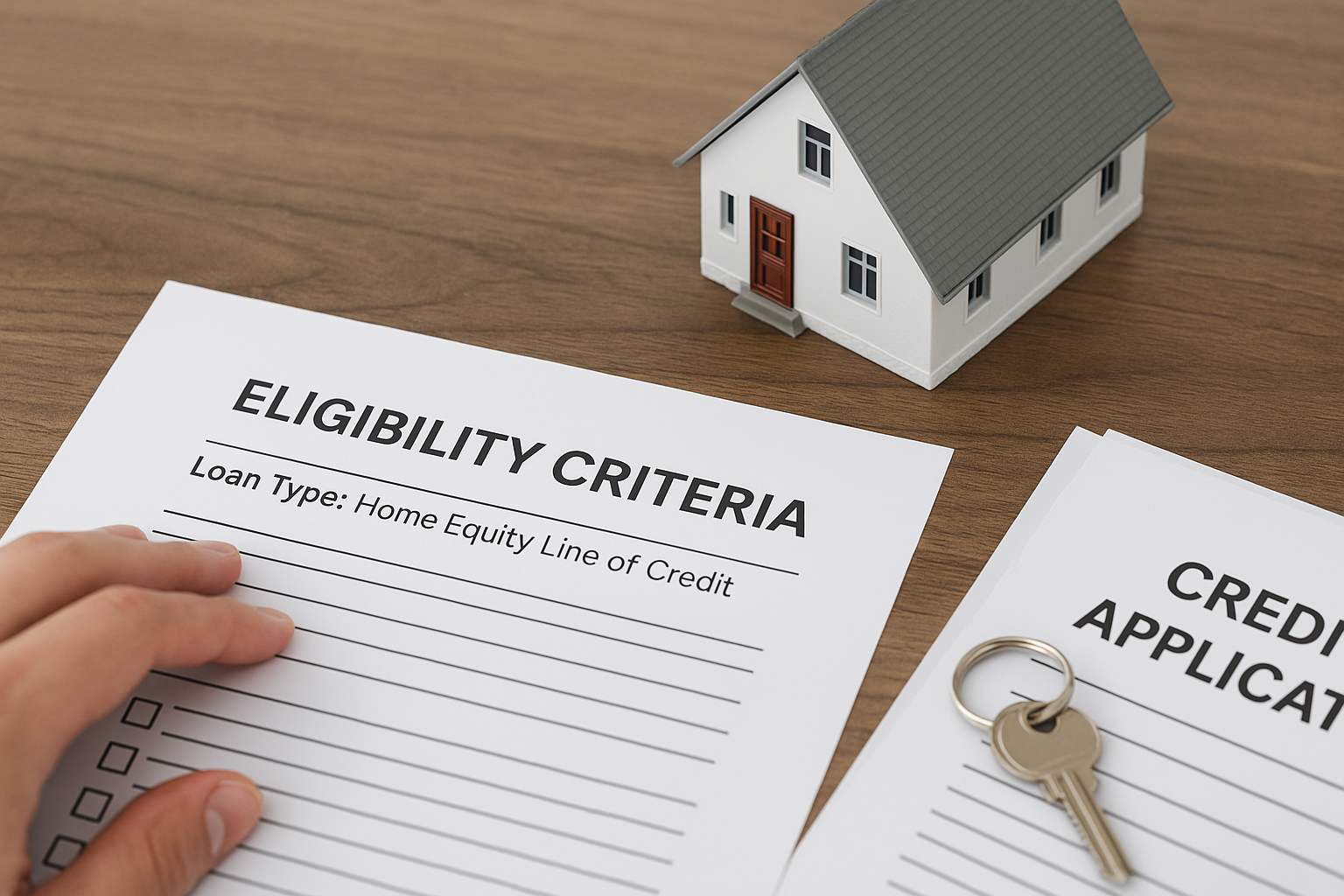
Understanding What a HELOC Is
A Home Equity Line of Credit (HELOC) offers a flexible way for homeowners to access the equity they've built up in their homes. Unlike a traditional loan, where you receive a lump sum, a HELOC works much like a credit card. You can draw funds as needed, up to a predetermined limit, during a specified draw period, usually 5 to 10 years. Repayment terms can vary, often stretching over 10 to 20 years.
HELOCs can be an attractive option due to their revolving nature, potentially lower interest rates than other forms of credit, and the ability to use funds for various financial needs, from home renovations to consolidating high-interest debts.
Key Eligibility Criteria for a HELOC in the USA
If you're contemplating leveraging your home's equity through a HELOC, understanding the eligibility criteria is crucial. Here are the main factors considered by lenders:
Home Equity
Your home's equity, or the portion of your home that you own outright, is fundamental. Lenders generally require substantial equity as it serves as collateral for the line of credit. Most financial institutions prefer that you have at least 15% to 20% equity in your home. To calculate your equity, assess your home's current market value against your mortgage balance.
- Example: If your home is valued at $400,000 and you owe $300,000 on your mortgage, you have $100,000 in equity, equating to 25% equity.
Credit Score
A solid credit score is essential when applying for a HELOC. Lenders typically require a minimum credit score of 620, but the best rates and terms are often reserved for those with scores above 680. A higher credit score indicates to lenders that you are less of a risk, potentially securing more favorable interest rates.
- Tip: Check your credit report for errors and pay down existing debts to improve your credit score before applying.
Income and Employment
Your ability to repay the borrowed amount plays a significant role. Lenders will evaluate your income, employment history, and debt-to-income ratio (DTI) to ascertain your financial health. A DTI below 43% is preferred, ensuring you have enough income to cover existing obligations and the potential new debt.
- Consider: Providing pay stubs, tax returns, and other financial documents to verify your income and employment status.
Loan-to-Value Ratio (LTV)
The Loan-to-Value ratio represents the amount of your mortgage against your home's appraised value. Lenders generally prefer an LTV of 80% or lower for HELOC approvals. The lower the LTV, the better your chances of approval with favorable terms.
Appraisal
An appraisal may be required to verify the current market value of your home. This protects both you and the lender, ensuring the loan reflects the true value of the property. The outcome of the appraisal can directly impact your eligibility and borrowing amount.
The HELOC Application Process
Once you've ensured you meet the eligibility criteria, the next step is the application process, which involves several key stages:
Research and Compare Lenders
Not all HELOCs are created equal. It's vital to research and compare offers from multiple lenders to find the best terms and interest rates. Consider both traditional banks and online lenders, as they may offer competitive rates or unique conditions.
Prepare Your Documentation
Having the necessary documents ready can streamline the application process. Typical documentation includes proof of income, tax returns, recent pay stubs, and statements for all debts and assets.
Submit the Application
Once you've chosen a lender, submit your application along with the collected documentation. You'll undergo a credit check, and the lender will evaluate your financial situation to determine approval.
Appraisal and Approval
The lender will likely order an appraisal to assess your home's current value. If everything checks out, you can expect a swift response regarding your application's status. If approved, you'll need to sign the appropriate documents to finalize the HELOC.
Utilizing Your HELOC Wisely
Once approved, it’s crucial to use your HELOC wisely. From funding home improvement projects to investing in education, a HELOC can serve numerous financial strategies:
Home Improvements
Using a HELOC for home improvements can add value to your property. Consider projects that have the potential to increase your home's resale value, such as kitchen remodels or energy-efficient upgrades.
Debt Consolidation
A HELOC can be used to consolidate high-interest debts, such as credit cards. However, it is vital to ensure you can manage the new payment structure and not fall into deeper debt.
Emergency Funds
Having a HELOC as a backup for emergencies can provide peace of mind. Unlike emergency funds, however, it's important to remember this is borrowed money and should be used cautiously.
Current Trends in the HELOC Market (2026)
As of 2026, the HELOC market reflects larger economic trends, with interest rates stabilizing after recent fluctuations and home prices continuing to rise. This context can affect your timing when considering a HELOC.
Recent reports suggest that more homeowners are tapping into their home equity with HELOCs, spurred by rising home values and relatively low interest rates compared to personal loans and credit cards. This trend reflects a broader economic confidence but also underlines the importance of prudent financial planning and foresight.
By understanding these eligibility criteria and the potential uses of a HELOC, homeowners can make informed, strategic decisions about their financial future, leveraging home equity to secure their financial goals.