Understanding How Common Damages Can Impact Your Car's Trade-In Value
Wondering how damage affects car tradein value? Discover what factors to consider before heading to the dealership. From minor dents to significant accidents, various types of damage can influence what a dealer offers for your tradein.
Understanding Car Trade-In Value
Trading in your car can be a great way to offset the cost of a new vehicle. However, not all cars are created equal when it comes to trade-in value. A variety of factors influence this value, not least of which is the condition of the car. But what specific types of damage are most detrimental to your car's trade-in value, and how can you mitigate these effects? Let's explore.
Key Factors Affecting Trade-In Value
Physical Condition: The Top Detriment
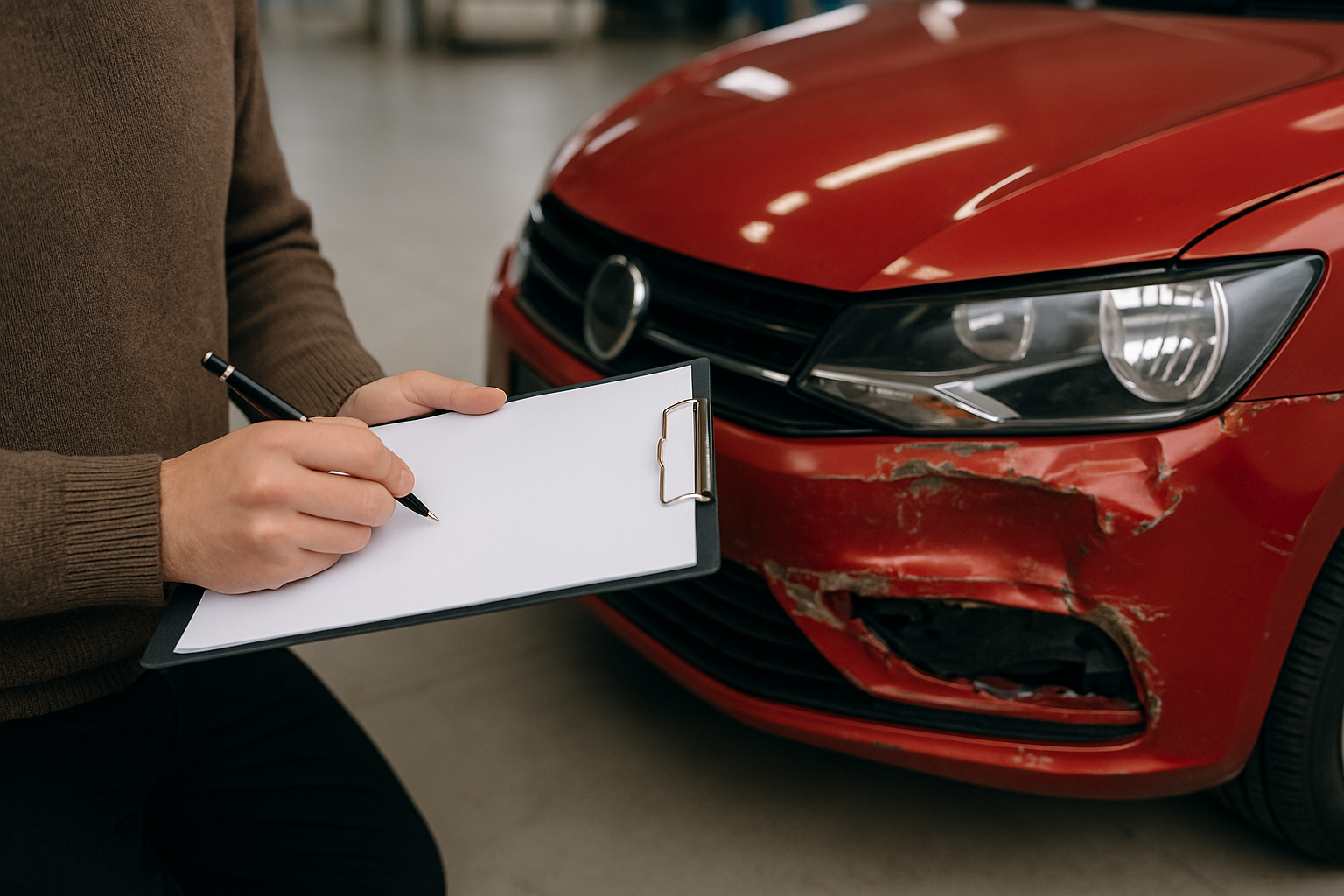
The physical condition of your car is one of the primary considerations for trade-in value. Dealerships and private buyers alike look closely at the visible condition because it provides an immediate visual representation of how well the car has been maintained. Here are common types of damage that can negatively impact your vehicle's value:
- Body Damage: Dents, dings, and scratches are not just aesthetic issues; they can also indicate potential underlying structural damage.
- Paint and Rust: Fading paint and rust spots signal neglect and can lead to accelerated further deterioration if left unaddressed.
- Interior Wear: Torn upholstery, stained carpets, and broken dashboard instruments diminish the appeal of the car's interior.
Mechanical Issues: Beyond the Surface
Even more impactful than physical damage are mechanical issues. Buyers look for cars that promise reliability, and significant mechanical problems can be costly to fix and may deter potential buyers.
- Engine Problems: Any issues with the engine can be a major red flag for dealerships and private buyers, impacting the trade-in offer dramatically.
- Transmission Troubles: A failing transmission is expensive to repair, drastically reducing the marketability and value of your car.
- Brake and Suspension Issues: Safety is a key concern, and problems here can strongly influence trade-in value.
Less Obvious Factors Affecting Trade-In Value
Market Demand and Timing
Surprisingly, even the time of year and the current market demand for your vehicle's make and model can affect its trade-in value. For instance, convertibles tend to fetch higher prices in spring and summer, while trucks and SUVs are often in demand year-round.
According to the latest 2026 market analysis by Kelley Blue Book, trends in vehicle preferences have shifted towards hybrid and electric models, which may affect how certain vehicles are valued during trade-in. Staying informed about such trends can help in timing your trade-in for the best value.
Mileage: The Hidden Consideration
While not considered damage per se, high mileage can significantly lower a car’s trade-in value. Cars with lower mileage are more appealing because they suggest less wear and potentially longer service life.
In 2026, data from Edmunds shows that vehicles surpassing 100,000 miles see a notable drop in trade-in value compared to slightly lower mileage counterparts.
Mitigation Strategies: Preserving Your Car’s Value
Regular Maintenance and Repairs
The single most effective strategy to maintain trade-in value is to keep up with regular maintenance and repairs. Regular oil changes, brake checks, and addressing small repairs immediately can prevent larger issues.
Documentation: Providing Proof of Care
Keeping detailed records of maintenance and repairs can support your claim that a car has been well cared for, potentially increasing trade-in value. Organized records can demonstrate to a buyer the history and reliability of the vehicle.
Conclusion
Understanding what damage affects car trade-in value can empower you to make informed decisions and take proactive steps to preserve your vehicle's worth. By addressing physical and mechanical issues promptly, staying informed of market trends, and maintaining detailed documentation, you can ensure that you receive fair value when it's time to trade in your vehicle.
For more in-depth car maintenance tips and trade-in advice, consult resources like the Kelley Blue Book and Edmunds, which offer comprehensive insights tailored to current automotive trends.