Understanding Prescription Drug Coverage in UnitedHealthcare's Medicare Advantage Plans
Explore how UnitedHealthcare Medicare Advantage plans can include prescription drug coverage, potentially offering a comprehensive solution for your healthcare needs. Although plan specifics may vary, combining medical and drug coverage could enhance your health plan experience.
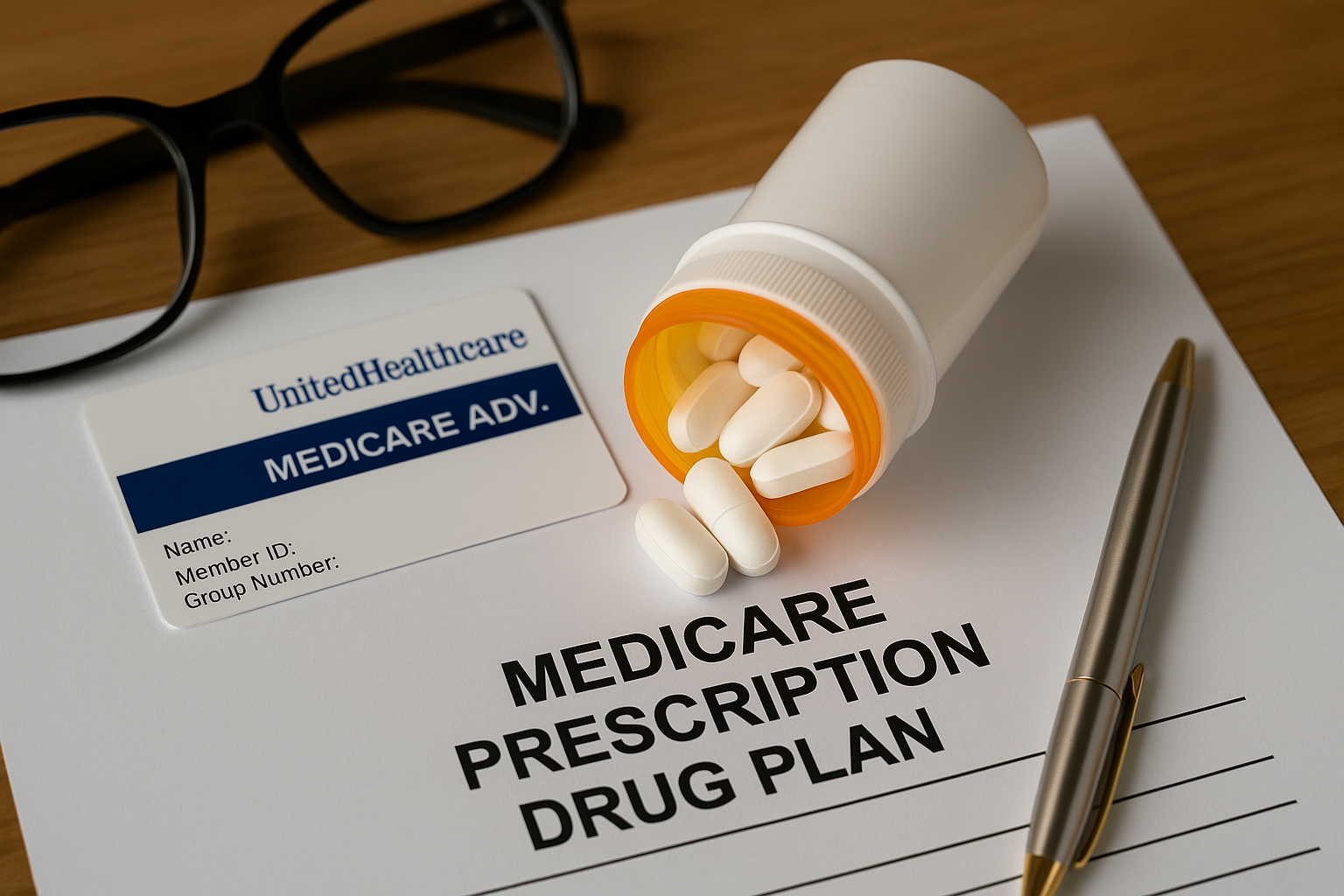
Understanding UnitedHealthcare Medicare Advantage Plans
UnitedHealthcare is a popular provider of Medicare Advantage plans that often spark interest due to their comprehensive nature. Many individuals ask, "Does UnitedHealthcare Medicare Advantage include prescription drug coverage?" To answer this, we must delve into what these plans offer and how they integrate prescription drug coverage within their benefit structure.
What Are Medicare Advantage Plans?
Medicare Advantage plans, also known as Part C, provide an all-in-one alternative to Original Medicare. These plans are offered by private insurance companies approved by Medicare and typically cover everything offered by Part A (hospital insurance) and Part B (medical insurance). Many Medicare Advantage plans also include additional benefits not covered by Original Medicare, such as vision, dental, hearing services, and prescription drug coverage.
The Integration of Prescription Drug Coverage
Prescription drug coverage is a critical consideration for many seniors choosing a Medicare plan. UnitedHealthcare's Medicare Advantage plans often include prescription drug coverage, known as Medicare Advantage Prescription Drug (MAPD) plans. This means individuals can have their medical and drug coverage combined under a single plan.
According to Medicare.gov, most Medicare Advantage plans include prescription drug coverage, simplifying the process for beneficiaries who otherwise might need separate Part D plans. UnitedHealthcare’s inclusion of drug benefits makes its MA plans highly attractive, offering convenience and potentially lowering overall healthcare costs by consolidating plans.
Pharmacy Network and Formularies
When considering if a UnitedHealthcare Medicare Advantage plan includes prescription drug coverage, it is important to understand the factors that influence coverage:
- Pharmacy Networks: Most plans, including those from UnitedHealthcare, have a network of pharmacies where beneficiaries can fill prescriptions at preferred lower costs. These networks can include nationwide chains like Walgreens or CVS as well as local pharmacies.
- Formularies: Each plan has a list of covered drugs, known as a formulary. It categorizes drugs into different tiers that affect out-of-pocket costs. Beneficiaries should examine these formularies to ensure their medications are covered affordably.
Understanding the pharmacy network and checking the formulary are crucial steps in determining the overall value and effectiveness of the prescription drug coverage within a UnitedHealthcare Medicare Advantage Plan.
Cost Considerations and Savings
One of the primary concerns for beneficiaries evaluating Medicare Advantage plans with prescription drug coverage is cost. Monthly premiums, copayments, and out-of-pocket expenses vary based on the specific plan chosen. In 2026, the average monthly premium for Medicare Advantage plans is projected to remain fairly stable at around $18 per month, offering a cost-effective solution for many seniors (CMS.gov).
By choosing a plan with included drug coverage, beneficiaries may reduce additional expenses that would arise from purchasing stand-alone Part D plans. Furthermore, the consolidation of services can lead to streamlined healthcare facilitation and reduced administrative overhead.
Making an Informed Decision
Choosing whether or not to enroll in a Medicare Advantage plan, particularly one that includes prescription drug coverage with UnitedHealthcare, requires thoughtful consideration of individual healthcare needs and financial situations. Reviewing specific plans regarding:
- Comprehensive coverage benefits beyond basic Medicare,
- In-network healthcare providers and pharmacies,
- Total cost including premiums, deductibles, and out-of-pocket maximums,
- Formulary comprehensiveness for current prescription requirements,
All these factors should align closely with personal priorities and health needs.
Resources for Further Information
Navigating Medicare Advantage plans can be challenging, but ample resources are available to assist beneficiaries. The official UnitedHealthcare website offers detailed breakdowns of available plans, benefits, and coverage options. Additionally, potential enrollees are encouraged to utilize Medicare.gov's plan finder tool to compare plans and coverage details.
Lastly, consulting with a licensed insurance advisor can provide personalized insights tailor-made to individual health and financial circumstances, allowing for an informed decision on the right plan.
https://www.uhc.com/medicare/medicare-advantage-plans
https://www.uhc.com/medicare/medicare-advantage-plans/what-is-medicare-advantage
https://www.uhc.com/medicare/medicare-advantage-plans/coverage
https://www.uhc.com/medicare/medicare-advantage-plans/prescription-drug-coverage
https://www.uhc.com/medicare/medicare-advantage-plans/dental-vision-hearing
https://www.uhc.com/medicare/medicare-advantage-plans/compare-plans
https://www.uhc.com/medicare/medicare-advantage-plans/plan-types
https://www.uhc.com/medicare/medicare-advantage-plans/hmo
https://www.uhc.com/medicare/medicare-advantage-plans/ppo
https://www.uhc.com/medicare/shop-plans
https://www.uhc.com/medicare/enroll
https://www.uhc.com/medicare/medicare-advantage-plans/dual-special-needs-plans
https://www.uhc.com/medicare/medicare-advantage-plans/dsnp
https://www.uhc.com/medicare/member-resources/ucard
https://www.uhc.com/medicare/medicare-advantage-plans/over-the-counter-benefits