Understanding the Credit Score Required to Qualify for a HELOC
Thinking about a HELOC but unsure about your credit score? Discover what credit score is required for a HELOC in our detailed guide. We explore the typical range lenders look for, offering insights into how your credit score impacts eligibility and loan terms.
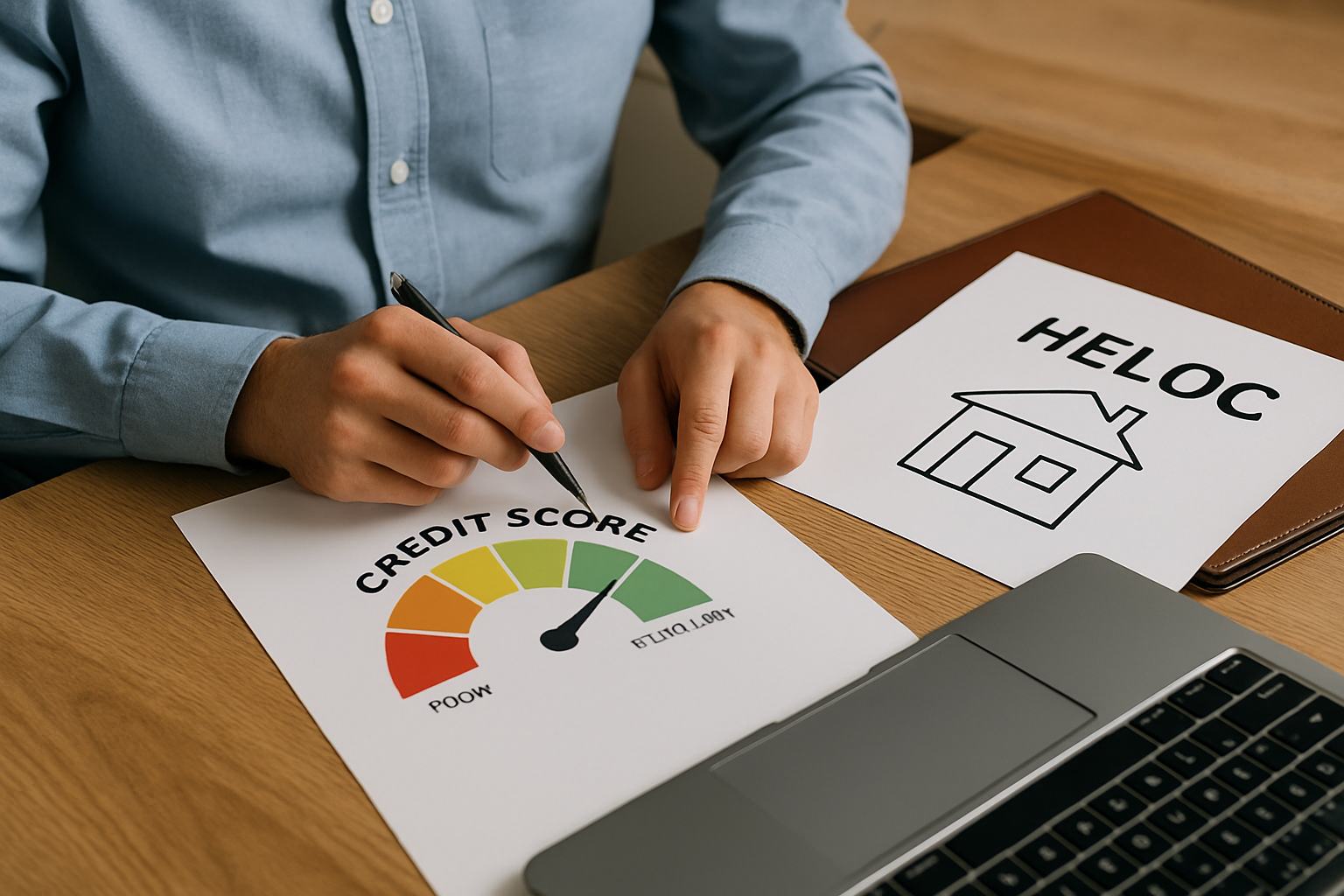
Understanding HELOC and Its Credit Score Requirements
A Home Equity Line of Credit (HELOC) can be a valuable financial tool for homeowners looking to leverage their property's equity. However, one of the key considerations before applying for a HELOC is understanding the credit score requirements. In this article, we will delve into what a HELOC is, why your credit score matters, and what scores are typically required by lenders in 2026.
What is a HELOC?
A HELOC is a revolving line of credit that allows homeowners to borrow against the equity in their home. This type of loan offers flexibility, as borrowers can take out money as needed up to a predetermined limit, paying interest only on the amount used. It's commonly used for home improvements, debt consolidation, or as a financial safety net.
Why Your Credit Score Matters for a HELOC
Your credit score plays a significant role in a lender’s decision to approve your HELOC application and determine your interest rate. It reflects your creditworthiness and helps lenders assess the risk of lending to you. A higher credit score can translate into better loan terms, such as a larger credit limit and lower interest rates.
What Credit Score is Required for a HELOC in 2026?
As of 2026, most lenders require a minimum credit score of 680-700 for HELOC approval. However, some financial institutions may offer HELOCs to borrowers with lower scores under specific conditions, potentially at higher interest rates or with additional requirements such as a co-signer.
- Excellent Credit (740 and above): Likely to receive the best terms, including the lowest interest rates.
- Good Credit (670-739): Generally approved with competitive interest rates.
- Fair Credit (580-669): May still qualify, but with less favorable terms.
- Poor Credit (Below 580): Unlikely to qualify for a HELOC through traditional lenders.
Factors Affecting Credit Score Requirements
Lenders consider several factors beyond the credit score itself:
Debt-to-Income Ratio (DTI)
Lenders analyze your DTI to ensure you have sufficient income to manage additional debt. A DTI below 43% is typically preferred, although some lenders may have more flexible criteria.
Home Equity
The amount of equity you have can impact your eligibility. Generally, lenders expect you to retain at least 15-20% equity after the HELOC is established.
Credit History
A solid track record of paying creditors on time bolsters your application. Any negative marks like recent bankruptcies can significantly impact your chances.
Improving Your Credit Score for Better HELOC Terms
If your credit score is currently lower than the desired range for obtaining favorable HELOC terms, consider these steps for improvement:
- Pay Bills on Time: Consistently making payments on time can improve your credit score significantly.
- Reduce Debt: Lowering your credit card balances can enhance your credit utilization ratio, a key score component.
- Avoid New Credit: Minimize new credit inquiries before applying for a HELOC.
- Check Your Credit Report: Regularly review your credit report for errors and dispute any inaccuracies.
Alternatives to a HELOC
If a HELOC isn't right for you due to credit score requirements or other factors, consider these alternatives:
Home Equity Loan
Unlike a HELOC, a home equity loan provides a lump sum of money with fixed interest rates and repayment terms, which could be easier to manage for some borrowers.
Cash-Out Refinance
This option involves refinancing your existing mortgage for more than you owe and taking the difference in cash, often with lower interest rates than a HELOC.
Personal Loan
For some, a personal loan may suffice, though they generally come with higher interest rates and shorter terms compared to loans secured by home equity.
Conclusion
Securing a HELOC with optimal terms requires a good understanding of credit score requirements and the ability to meet other lender criteria. By improving credit scores and considering all financial options, potential borrowers can better position themselves to leverage their home equity effectively. For the most current advice and HELOC offerings, consulte industry updates and financial professionals frequently. Consumer Financial Protection Bureau and the mortgage site Freddie Mac provide a wealth of resources on managing credit and homeownership options.