Understanding the Pricing of HUD Homes: Are They Really Below Market Value?
Ever wondered if HUD homes are sold below market value? While HUD properties often present unique buying opportunities, whether they are priced below market value can vary. Factors such as location, condition, and current market trends play a role.
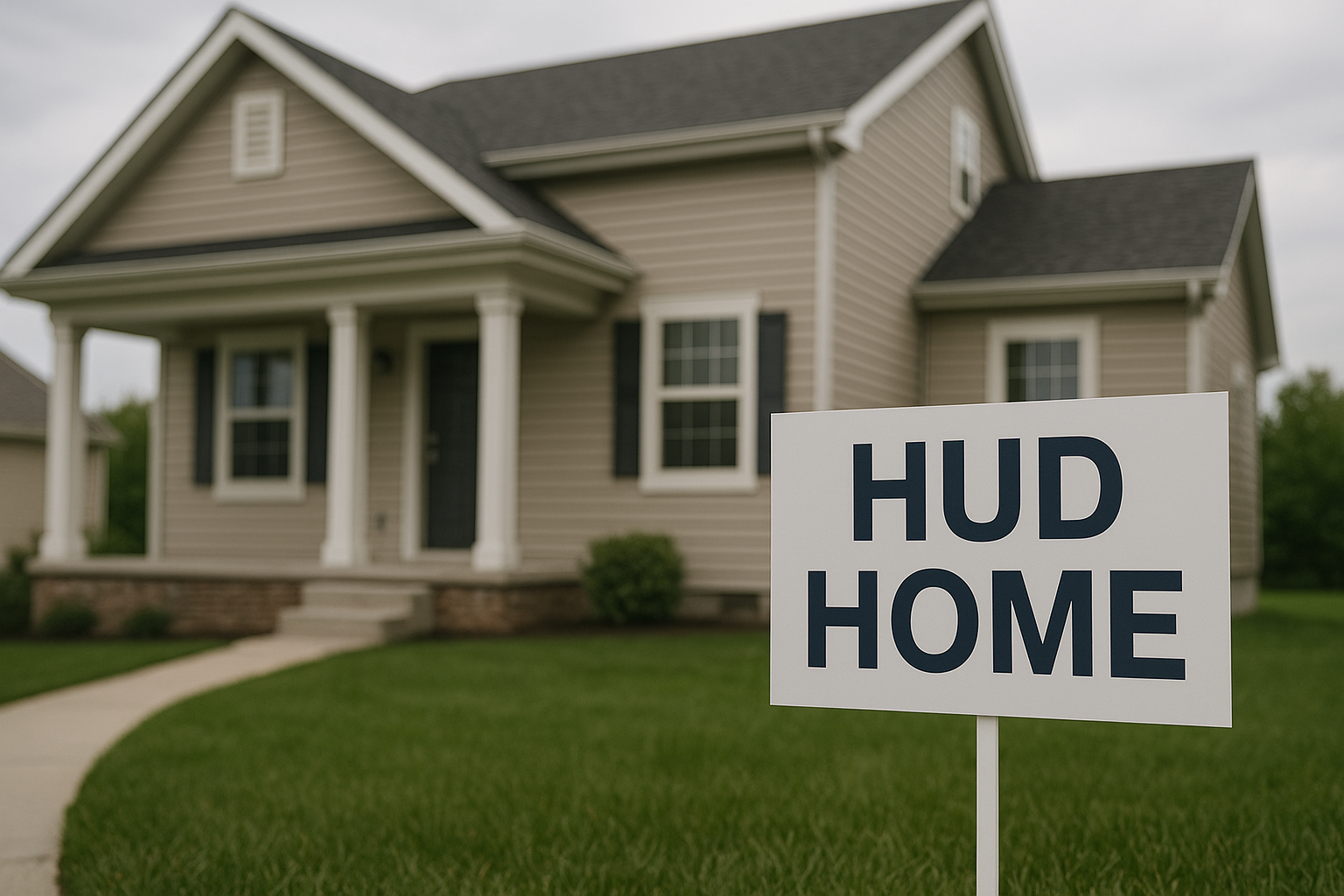
Understanding HUD Homes
Before diving into whether HUD homes are sold below market value, it’s important to understand what HUD (Department of Housing and Urban Development) homes are. HUD homes are residential properties acquired by the federal government following a foreclosure on a home mortgage insured by the Federal Housing Administration (FHA). When owners default on these mortgage loans, HUD steps in, pays off the remaining loan balance, and takes possession of the property to recoup losses.
Are HUD Homes Sold Below Market Value?
The question of whether HUD homes are sold below market value is a nuanced one. Generally, HUD aims to sell these properties at fair market value but often sets the initial listing price lower to attract buyers quickly due to their condition. These homes are sold "as-is," which may lower their price compared to similar properties in better condition.
Factors Influencing HUD Home Pricing
Several factors influence whether a HUD home is perceived as being sold below market value:
- Condition of the Property: Many HUD homes require repairs, affecting their market attractiveness.
- Location: Real estate prices can vary greatly based on location, and homes in less desirable areas might be priced lower.
- Market Conditions: The local real estate market plays a critical role in determining property value. In a buyer's market, prices might be on the lower end.
Evaluations from real estate professionals can often shed more light on the actual deal you're getting.
How HUD Homes Are Priced
HUD homes are priced through a valuation process aiming to recover as much of the owed debt as possible. A third-party appraiser typically conducts an appraisal to determine a fair initial listing price. It's not HUD's goal to undercut the market but to sell a home in a reasonable timeframe.
HUD also periodically adjusts prices if the home does not sell quickly, often dropping them in incremental steps after a set period, which can lead to below-market pricing if the property remains unsold.
Buying a HUD Home
For those interested in purchasing a HUD home, the buying process is unique. These homes are sold through online bidding, open to both investors and owner-occupants. Here's a general outline of how this works:
Bid Process
Once a home is listed, HUD accepts bids from pre-approved real estate brokers over a set bidding period. At first, priority is usually given to owner-occupants who intend to live in the property. Investors are typically permitted to bid if the home remains unsold.
Inspections and Offers
It's highly recommended that potential buyers conduct their own inspections as HUD homes are sold "as-is". The condition and repair costs can significantly affect overall savings and should be weighed against the purchase price.
Benefits and Drawbacks of Buying HUD Homes
Like any real estate purchase, buying a HUD home comes with its own set of pros and cons:
Potential Benefits
- Lower Purchase Price: The potential for a lower price can offer significant savings to home buyers, particularly if they are handy with renovations.
- First-Time Buyer Opportunities: HUD homes can present unique opportunities for first-time homebuyers to get into the market with fewer upfront costs.
- Special Incentives: HUD occasionally offers special discounts and incentives to specific groups, like teachers and law enforcement officers, through programs such as the Good Neighbor Next Door.
Potential Drawbacks
- Repair Costs: Many HUD homes need significant repairs, leading to additional burden on buyers.
- Limited Financing Options: Since the property conditions vary widely, not all loan programs are willing to extend financing for HUD homes.
Real World Examples and Statistics
Current statistics indicate that HUD homes may sell approximately 5% to 10% below their potential market value, factoring in their condition and repair needs. A recent report from Realtor.com suggests that well-maintained homes in good neighborhoods may fit well within market norms, while others could represent more dramatic savings.
For instance, in 2026, the average time a HUD home stays on the market has been about 56 days, according to HUD's official statistics. This duration indicates a quicker turnover compared to standard listings, reflecting competitive pricing strategies.
Conclusion
In conclusion, purchasing a HUD home can indeed offer financial benefits under certain circumstances, particularly if you're prepared to invest time and resources into upgrades and maintenance. However, it's crucial to evaluate each home on its own merits, considering location, needed repairs, and the current real estate market climate. Partnering with a knowledgeable realtor and doing comprehensive research will equip you to make a sound investment decision.