Understanding Visceral Fat: Its Impact and Proven Strategies for Reduction
Visceral fat, the hidden visceral enemy that wraps around your organs, poses serious health risks. Reducing visceral fat involves a combination of healthy eating, regular exercise, and stress management. Learn how small lifestyle adjustments can help manage visceral fat.
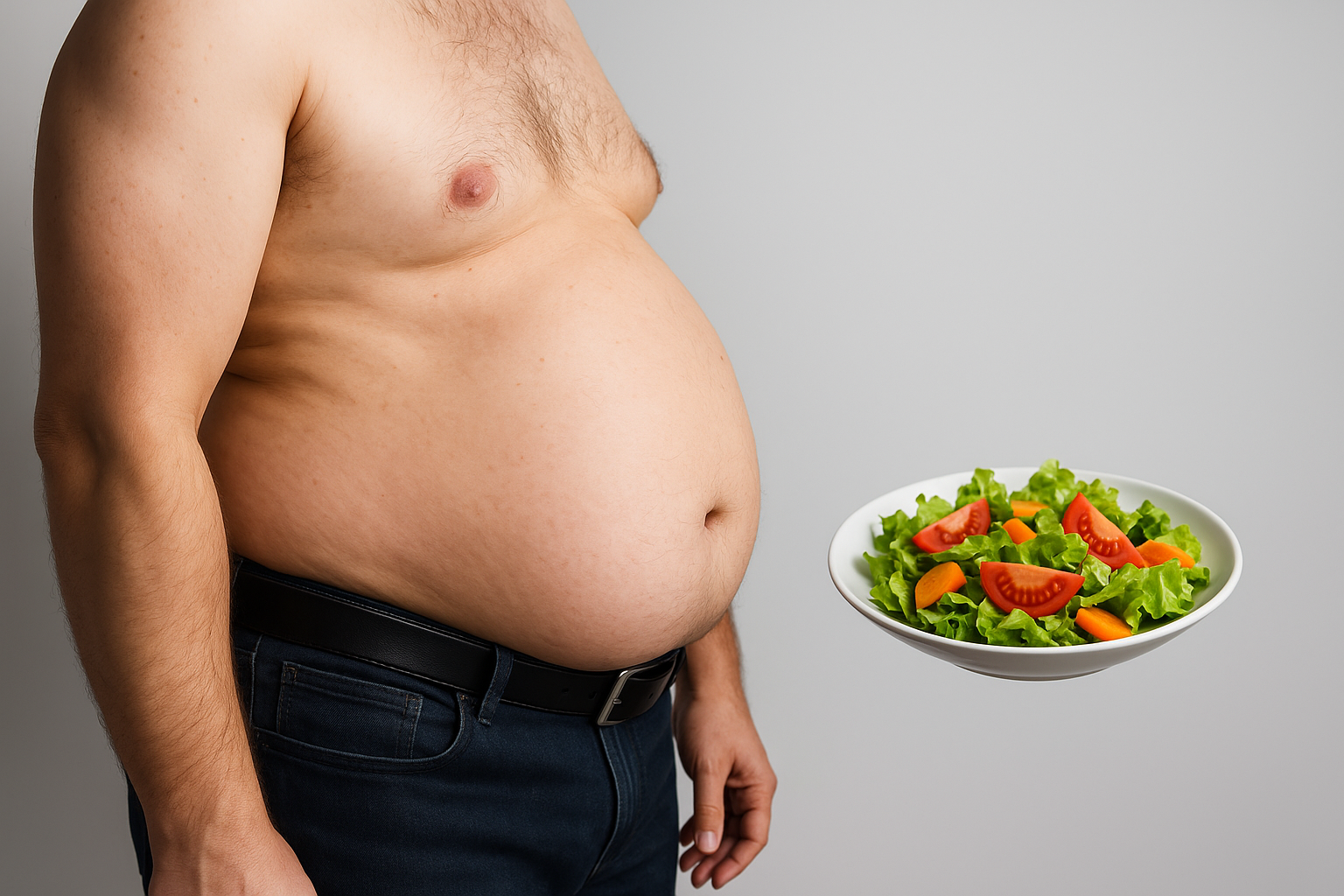
Understanding Visceral Fat
Visceral fat, often referred to as "deep fat," is stored within the abdominal cavity and surrounds vital organs like the liver, pancreas, and intestines. Unlike subcutaneous fat, which lies just under the skin, visceral fat can have significant health implications. It is a key player in a variety of medical conditions and is often linked with a higher risk of cardiovascular diseases, type 2 diabetes, and certain cancers.
Why Is Visceral Fat Dangerous?
Unlike other types of body fat, visceral fat is biologically active and has more profound effects on hormone functions and metabolic health. It releases inflammatory markers and hormones that can lead to insulin resistance, a precursor for diabetes, and systemic inflammation. These conditions increase the risk of heart disease, one of the leading causes of morbidity worldwide.
Factors Contributing to Visceral Fat Accumulation
Several factors can contribute to the accumulation of visceral fat, including:
- Diet: High intake of refined carbohydrates, sugars, and trans fats can lead to visceral fat gain.
- Lack of Exercise: Sedentary lifestyles significantly contribute to the accumulation of visceral fat.
- Genetics: Family history might play a role in predisposition to storing fat viscerally.
- Age and Hormones: As people age, hormonal changes can lead to fat redistribution around the abdomen.
Strategies to Reduce Visceral Fat
Getting rid of visceral fat involves lifestyle changes that focus on diet, exercise, and mindfulness. Here are some strategies that can help:
Adopting a Balanced Diet
A healthy diet is critical in reducing visceral fat. Here are key dietary practices to consider:
- Fiber-Rich Foods: Foods high in soluble fiber, such as beans, lentils, and oats, can aid in reducing visceral fat by facilitating a feeling of fullness and reducing appetite.
- Avoid Trans Fats: Limiting trans fats found in processed and fried foods can help decrease fat accumulation in the abdominal region.
- Cut Down on Sugars: Reducing added sugars, especially from sweetened beverages and snacks, helps lower liver fat, reducing overall visceral fat.
Increasing Physical Activity
Regular physical activity is one of the most effective ways to reduce visceral fat. Consider incorporating:
- Aerobic Exercises: Activities such as running, brisk walking, and cycling have been shown to be effective in burning abdominal fat. According to a study published in 2026, incorporating at least 150 minutes of moderate-intensity aerobic activity weekly can significantly reduce visceral fat.
- Strength Training: Building muscle mass through strength-training exercises helps increase metabolic rate, promoting fat loss even at rest.
Managing Stress and Sleep
High stress levels and insufficient sleep are linked to higher visceral fat levels. Implement strategies such as:
- Stress Management: Techniques like yoga, meditation, and deep-breathing exercises can help reduce stress hormone levels, lessening visceral fat accumulation.
- Adequate Sleep: Aim for 7-8 hours of quality sleep per night, as shorter sleep durations can lead to hormonal imbalances that increase hunger and fat storage.
Regular Health Check-ups
Routine health assessments can help individuals track visceral fat levels and associated health risks. Measuring waist circumference or using imaging technologies like MRI and CT scans offers accurate assessments of visceral fat.
Consulting Professionals
Engaging with healthcare providers, such as nutritionists and fitness trainers, can offer personalized strategies to target visceral fat. Tailored advice can take into account individual health conditions, lifestyle, and genetic factors.
Conclusion
Addressing visceral fat is vital for maintaining overall health and reducing the risk of multiple chronic diseases. Through balanced dietary habits, regular exercise, stress management, and sleep hygiene, individuals can effectively reduce visceral fat. Awareness and proactive management are key, supported by advances in research and professional guidance.
For further reading, consult sources like the Harvard Health and recent research summaries from NIH on visceral fat impacts and reduction techniques.