Unlock Hidden Deals: How to Navigate Police Impound Car Auctions
Discover the intriguing possibilities of purchasing vehicles from police impound auctions. These events offer a unique opportunity to explore a variety of cars that have been confiscated or left unclaimed.
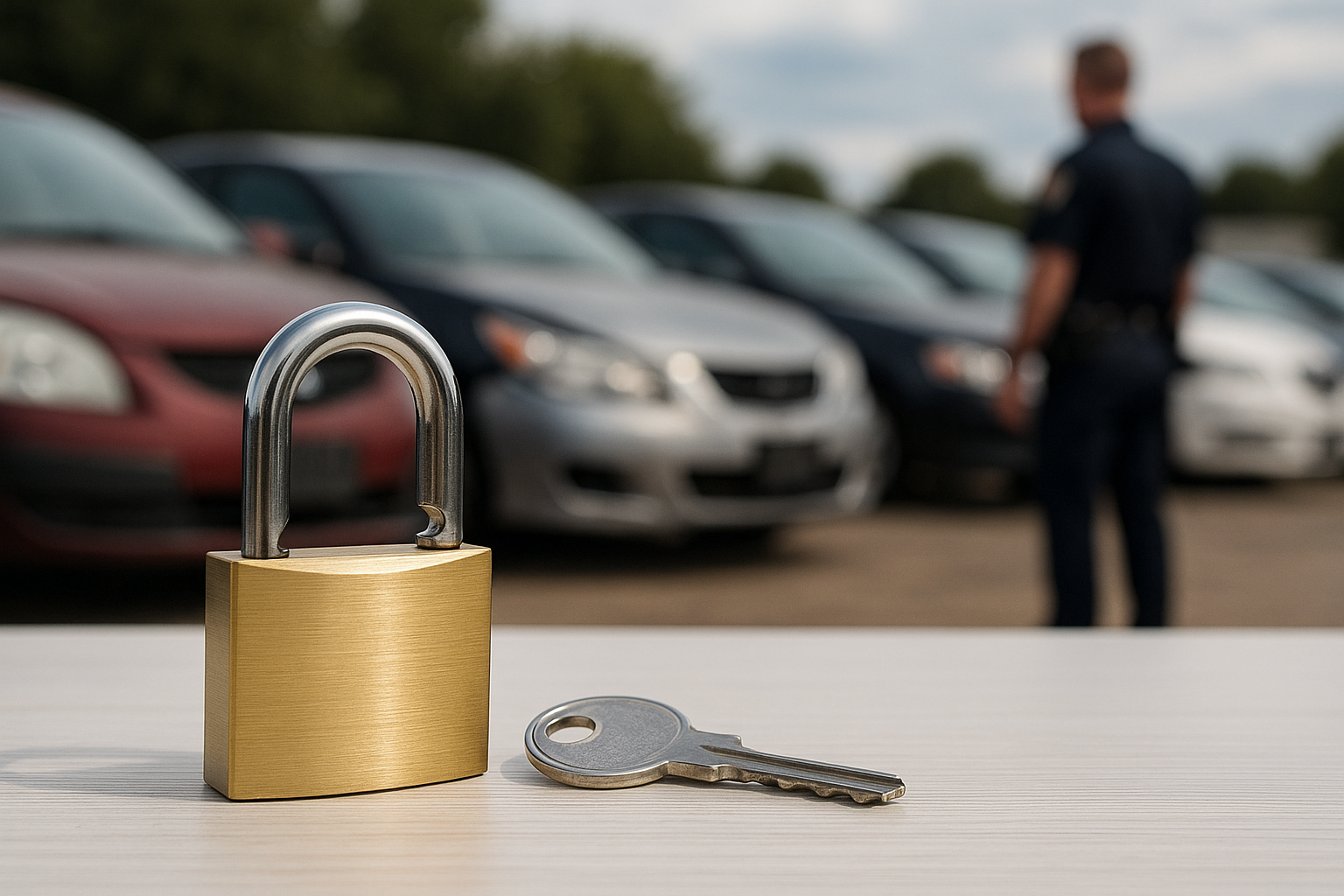
Understanding Police Impound Auctions
Police impound auctions can be a goldmine for those looking to purchase cars at a fraction of their market value. But what exactly are these auctions, and how do they work? In essence, vehicles auctioned at police impounds are those that have been confiscated due to legal infringements, abandonment, or involvement in crimes. Once the legal proceedings are cleared or the rightful owner does not reclaim the vehicle, it becomes available for public auction.
How Do Police Impound Auctions Work?
Police impound auctions operate either online or in-person. The process typically starts with viewing days where potential buyers can inspect the vehicles. It's important to note that these cars are sold "as-is," meaning they come with no warranty or guarantee of their condition. The highest bidder at the auction wins the vehicle, making it essential to set a budget and stick to it.
Most impound lots have their own auction schedule, which can be found on their websites or by contacting the impound lot directly. For instance, the city of Los Angeles holds monthly auctions, offering a variety of makes and models (source).
Benefits of Buying from Police Impound Auctions
- Cost Savings: Since the primary goal of these auctions is to clear the lot, vehicles are often priced lower than their market value. This is ideal for bargain hunters or those looking to flip cars for a profit.
- Variety of Vehicles: From sedans and SUVs to vintage cars, the variety can be impressive, offering something for most buyers.
- Opportunities for Restorers: For car enthusiasts who love restoring vehicles, impound auctions can offer classic or rare models at irresistible prices.
Potential Pitfalls to Watch Out For
While the benefits are tangible, there are risks involved:
- Unknown Condition: With vehicles sold "as-is," there could be hidden mechanical issues. Ensuring you have some knowledge of car mechanics or bringing along a knowledgeable friend can help mitigate this risk.
- Lack of Test Drive: Most auctions do not allow for test drives, so potential buyers need to rely on visual inspections and perhaps a short engine start.
Steps to Prepare for a Police Impound Auction
Success at a police impound auction doesn’t just happen. It requires preparation and strategic planning. Here’s a step-by-step guide:
Research and Due Diligence
Start by researching which police departments in your area conduct auctions. Often, larger cities have frequent auctions resulting in a more extensive selection of cars. Check auction schedules and catalogs online. Understanding the history of the vehicle you are interested in is crucial; use tools like Carfax to check histories when available.
Setting a Budget
Determine a realistic budget before attending. Consider not just the purchase price, but also potential repair and restoration costs. Experienced buyers recommend a buffer of an additional 30% for unexpected repairs.
Inspection and Evaluation
Attend pre-auction viewing days. Bring along basic tools and a scanner to check for error codes if allowed by the auction rules. Take detailed notes, considering both minor cosmetic flaws and potential major repairs. Comparing online listings for similar vehicles can also gauge the potential resale value.
Real-world Examples and Recent Trends
In 2026, several individuals shared their success stories with police impound auctions. A buyer in Houston purchased a 2018 Toyota Camry for just $5,000, compared to its market value of $12,000. Additionally, a rare classic car enthusiast procured a 1969 Ford Mustang for $7,500; after restoration, it was valued at over $30,000!
Recent data indicates a 15% increase in interest in police auctions, possibly due to the economic climate and the rising cost of new vehicles (source).
Legal and Title Considerations
Post-auction, the new owner must navigate paperwork concerning the title and registration. Auctioneers typically provide a bill of sale, which can be used to apply for a title at the DMV. It’s vital to check your state's requirements as they can differ significantly.
Some states have streamlined this process to accommodate auction-bought vehicles, but California, for instance, may require additional emissions checks (source).
Conclusion
Purchasing a car from a police impound auction offers a unique opportunity to acquire vehicles at significantly reduced prices. However, it requires due diligence, financial prudence, and a keen eye for detail. By following the strategies outlined in this guide, you can make informed decisions and potentially walk away with a lucrative deal. Whether you're a first-time buyer or a seasoned flipper, police impound auctions can be a rewarding endeavor.