Unlocking Affordable Healthcare: Understanding Patient Assistance Programs for Medications
Are rising medication costs a concern for you? Discover how a Patient Assistance Program for Medications might provide the support you need. These programs aim to help eligible individuals access essential prescription drugs at reduced or no cost.
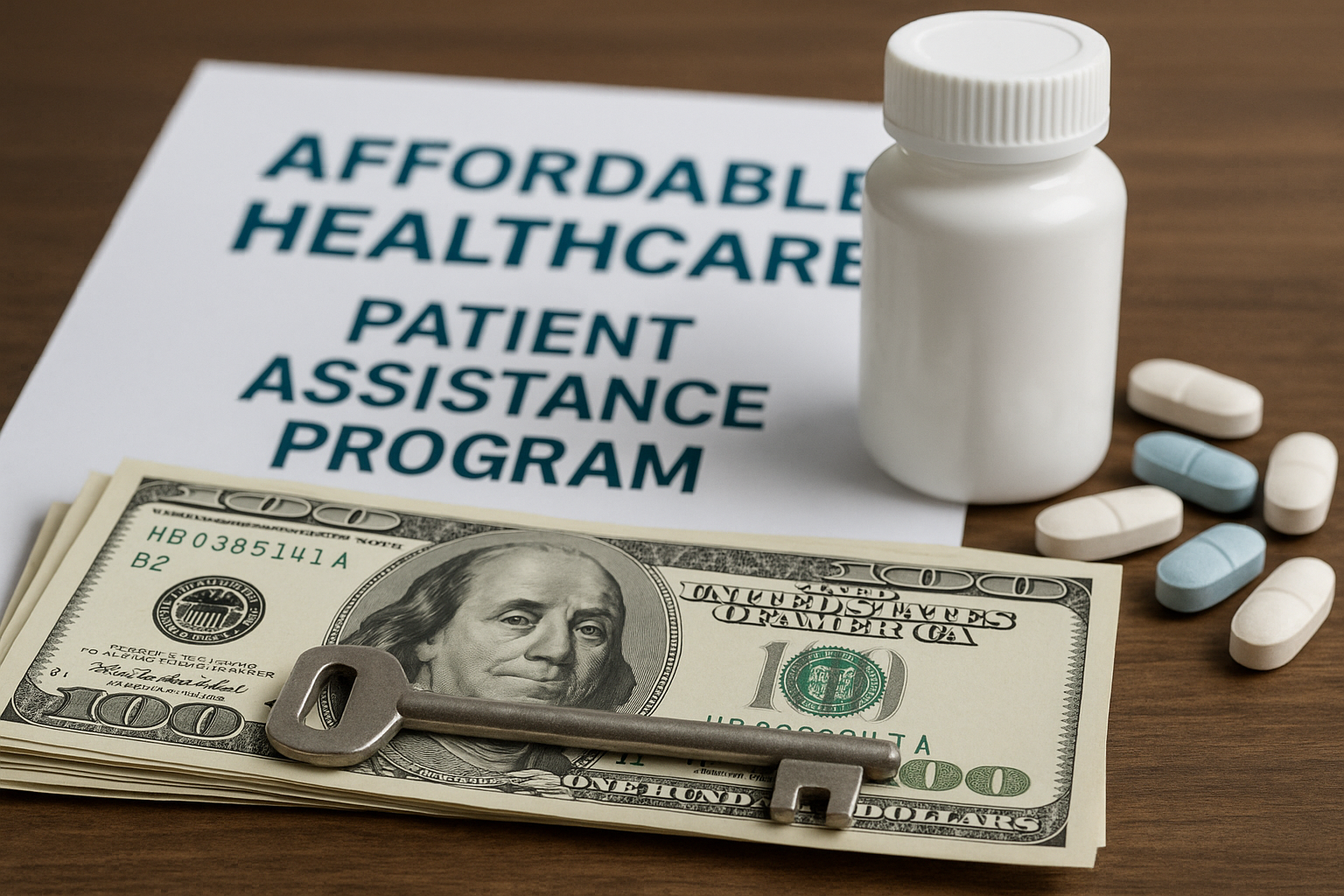
Understanding Patient Assistance Programs for Medications
Navigating the world of healthcare can be complex, especially when it comes to affording necessary medications. Patient Assistance Programs (PAPs) are vital resources that seek to alleviate the financial burdens many individuals face. Through these programs, patients can access the medications they need but cannot afford due to cost constraints. This article delves into what PAPs offer, how they work, and how you can access them.
What Are Patient Assistance Programs?
Patient Assistance Programs are services provided by pharmaceutical companies, non-profit organizations, and government entities designed to help individuals who lack sufficient insurance coverage or financial resources to purchase expensive medications. These programs provide medications either at a significantly reduced cost or for free.
For instance, major pharmaceutical companies like Pfizer and AstraZeneca offer PAPs that cater to various medications, ensuring that financial constraints do not bar patients from receiving necessary treatments. According to the National Council on Aging, there are over 270 PAPs currently available in the United States alone.
How Do Patient Assistance Programs Work?
The functioning of PAPs typically involves a straightforward application process. Here's a general overview of how these programs operate:
- Eligibility Criteria: Most programs are geared towards individuals with low to moderate income levels and those who are underinsured or uninsured. Eligibility often considers household income relative to the federal poverty level.
- Application Process: Applicants usually need to provide documentation of income, a prescription from a licensed healthcare provider, and proof of insurance status or lack thereof.
- Approval and Medication Delivery: Once approved, medications may be supplied for several months and can be delivered to the patient's home, healthcare provider, or a local pharmacy.
A real-world example of a successful PAP is the "Partnership for Prescription Assistance," which has helped millions of Americans get access to medications at reduced costs.
Types of Assistance Provided
Patient Assistance Programs offer varied forms of help depending on their structure and funding:
- Free Medications: Some PAPs entirely cover the cost of medications for eligible patients.
- Discounted Prices: Other programs might provide drugs at a lower cost compared to retail prices.
- Over-the-Counter Benefits: Certain programs extend to over-the-counter drugs, which can offer substantial savings.
For example, the program "RxAssist" provides a comprehensive database of PAPs, which can be a valuable resource for those looking to identify and apply for assistance.
How to Find and Apply for a Patient Assistance Program
Finding a relevant PAP can seem daunting, but several tools and resources are available to help. Here’s how you can simplify the process:
- Online Databases: Websites like NeedyMeds and RxAssist provide searchable databases of available assistance programs. These platforms allow you to search by medication name or pharmaceutical company.
- Pharmacists: Your local pharmacist can be a valuable ally. They are often knowledgeable about PAPs and can recommend relevant programs based on your prescription needs.
- Healthcare Providers: Doctors and medical professionals typically have relationships with pharmaceutical reps and are frequently informed about available programs.
Challenges and Considerations
While PAPs offer significant relief, there are a few challenges and factors to consider:
- Program Limitations: Not all medications are covered under PAPs, and some programs may have stringent eligibility criteria.
- Paperwork: The application process can be paperwork-intensive and may require frequent renewals of eligibility.
- Coverage Gaps: While PAPs may provide substantial aid, they may not cover the total cost of all healthcare-related expenses.
Despite these challenges, PAPs continue to be a lifeline for many individuals. Staying informed about changes and updates in healthcare laws and policies can aid in effectively navigating these programs.
The Broader Impact of Patient Assistance Programs
In 2026, healthcare affordability remains a pressing concern. According to a recent survey by the Kaiser Family Foundation, approximately 29% of adults reported not taking their medications as prescribed due to cost. Patient Assistance Programs help bridge this gap and contribute to enhanced medication adherence, improved health outcomes, and reduced overall healthcare costs.
These programs are integral to a broader movement towards more equitable healthcare, as they reflect an understanding from pharmaceutical companies and healthcare providers of the financial barriers faced by patients.
By providing an essential service, PAPs reduce the strain on public healthcare systems and pave the way for more sustainable healthcare solutions, crucial in today’s economic climate.
Conclusion
Patient Assistance Programs for medications play a critical role in making healthcare more accessible and affordable. Whether offered by pharmaceutical companies or nonprofit organizations, these programs can be invaluable for individuals who struggle to pay for their medications. With an informed approach, patients can effectively leverage these resources to manage their health better.
Staying informed and ready to navigate the application processes can offer great relief and ensure access to necessary treatments. In a world where the cost of healthcare continues to rise, PAPs serve as a hopeful reminder that assistance is available for those who seek it.