Unlocking the Mysteries of Police Impound Car Auctions: A Beginner's Guide
Uncover the intriguing world of police impound car auctions and learn how they operate. These auctions offer a unique opportunity to purchase vehicles at potentially lower prices. Discover how the process works and what factors to consider when participating.
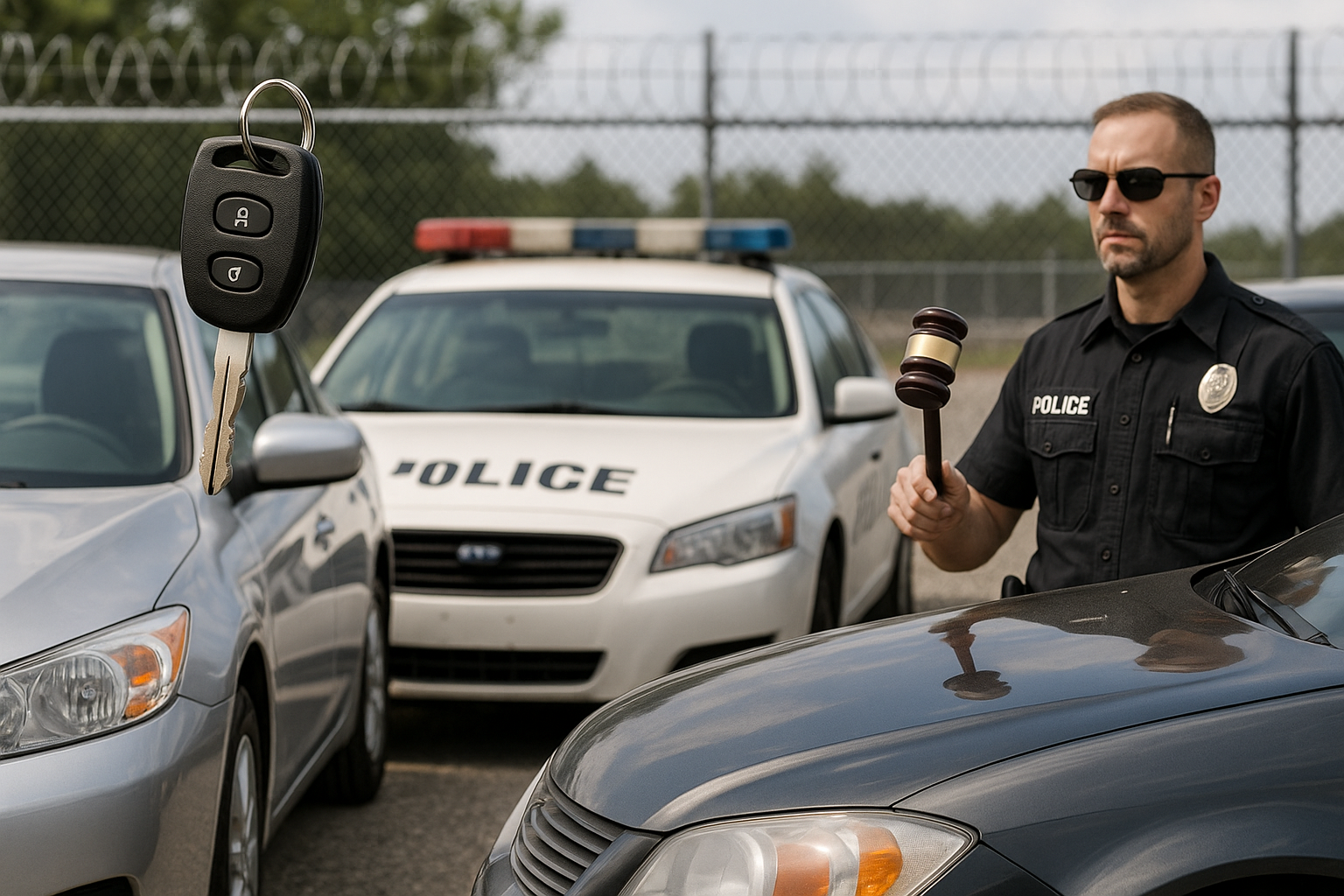
Understanding Police Impound Car Auctions
When people hear about police impound car auctions, many have questions about how they work, the benefits of participating, and what potential buyers should be aware of before getting involved. In essence, these auctions are events where law enforcement agencies sell off vehicles that have been seized due to legal issues such as traffic violations, criminal investigations, or abandonment. These auctions present a unique opportunity for savvy buyers to purchase vehicles at a fraction of their market price.
How Do Police Impound Car Auctions Work?
Police impound car auctions typically follow a straightforward process. Law enforcement agencies seize vehicles for various reasons – unpaid tickets, involvement in crimes, or being abandoned. Once these cars are unclaimed or legally cleared, they are auctioned to the public.
- Assessment and Valuation: Before auctioning, vehicles undergo assessment. Authorities evaluate their condition and estimated market value.
- Announcement and Auction Date: Once prepared, auctions are announced via public notifications, websites, or local newspapers.
- Public Viewing: Prospective buyers are often allowed to inspect vehicles physically, albeit superficially. Checking their running condition or test driving is rarely permitted.
- Bidding Process: Auctions usually involve live in-person or online bidding. Participants propose prices, competing with one another.
- Finalizing the Purchase: Winning bidders must complete payment promptly and assume responsibility for transferring ownership and related paperwork.
Where to Find Police Car Auctions
Locating these auctions can be challenging without proper guidance. They are organized by:
- Local Law Enforcement Websites: Many police departments list upcoming auction details online. For instance, the Los Angeles Police Department or New York City Police Department regularly update auction schedules.
- Dedicated Auction Platforms: Third-party websites like PropertyRoom.com aggregate data from multiple police auctions across the country, offering centralized access for interested buyers.
- Resource Portals: State government websites often feature resources or links to upcoming public auctions.
Benefits of Buying from Police Impound Auctions
Purchasing a vehicle from a police impound auction can be advantageous. Here are some reasons:
- Cost Savings: Cars sold at these auctions are typically cheaper than their market counterparts, providing cost-effective options for budget-conscious buyers.
- Diverse Selection: A wide range of vehicles, from economical sedans to luxury models and occasionally rare finds, become available.
- Transparency: Auctions are regulated events ensuring a fair bidding process, albeit with vehicles sold 'as-is'.
Points of Caution
Despite the advantages, potential pitfalls warrant careful consideration:
- Vehicle History: While they may be affordable, buyers must accept the risk of an unknown vehicle history. Tools like CarFax and AutoCheck can provide insights when VINs are available.
- Condition Uncertainty: Cars are auctioned with minimal inspection options. Ensure you budget for potential repairs or consider bringing along a knowledgeable friend for preliminary advice.
- Additional Costs: Winning a bid involves additional expenses such as taxes, registration fees, and any immediate repairs required to make the car roadworthy.
Success Stories and Real-World Examples
Numerous participants have struck gold at these auctions. For example, in 2025, a North Carolina resident purchased a low-mileage BMW 3 Series for less than $5,000, requiring minor repairs, ultimately scoring a vehicle worth double the cost upon resale.
Conclusion
Police impound car auctions represent both an opportunity and a risk. While the allure of acquiring a car below market value is compelling, thorough research and preparation are vital. By understanding the auction process, evaluating potential risks, and being willing to walk away if necessary, buyers can maximize their chances of making a smart purchase.
For more information on specific auction dates and vehicles, prospective buyers are encouraged to explore city or county police department resources. Regular engagement with auction sites can also provide a strategic edge in finding a hidden automotive gem.