Unveiling the True Value: GEICO Motorcycle Insurance Guide 2026
Discover the latest insights on GEICO Motorcycle Insurance in our 2026 Value Guide. Explore how GEICO's tailored motorcycle policies can offer competitive rates and robust coverage options while keeping your budget in check.
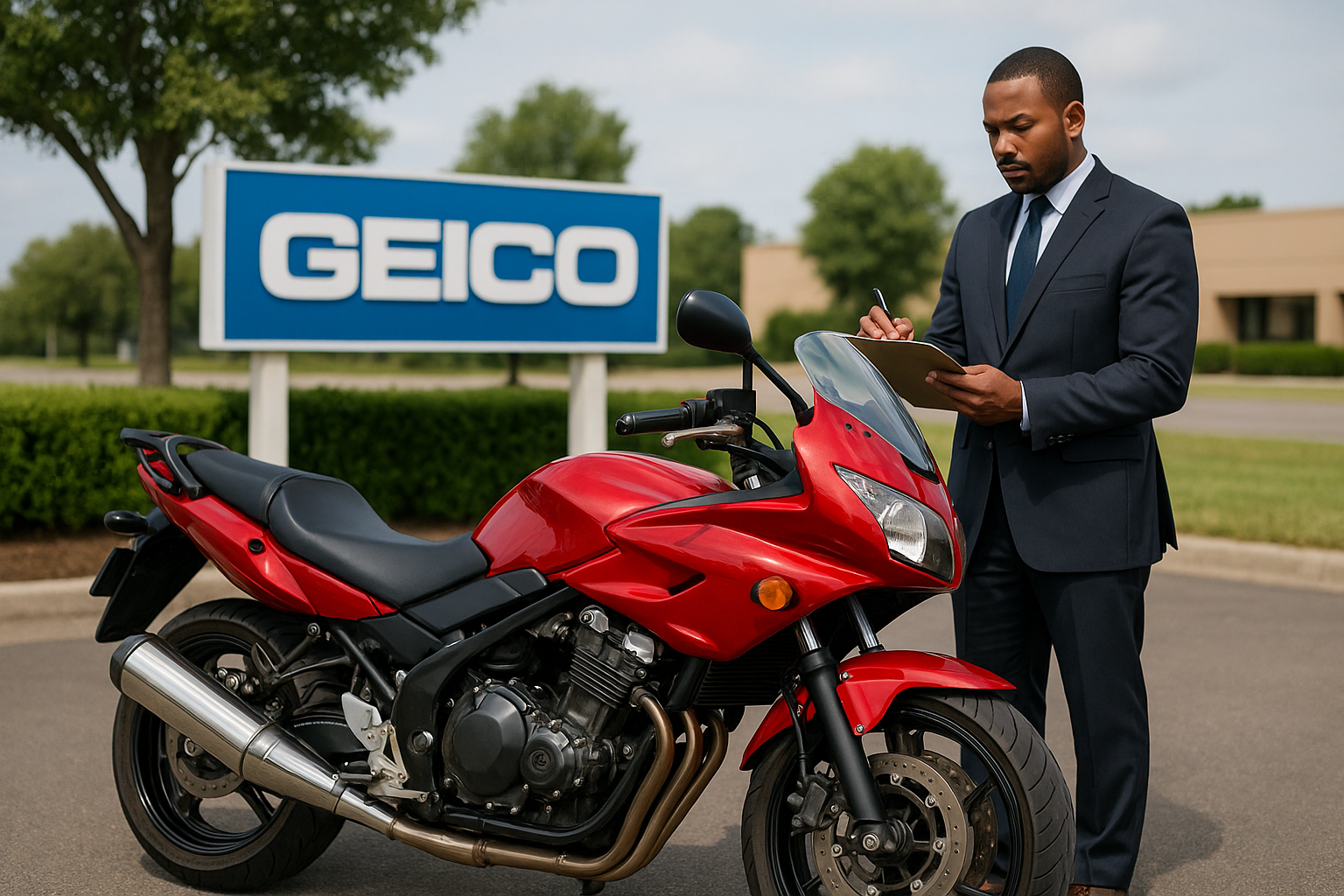
Understanding the Importance of Motorcycle Insurance in 2026
As we delve into 2026, motorcycle enthusiasts are witnessing significant transformations in the insurance landscape. GEICO Motorcycle Insurance offers a comprehensive "Value Guide" to help riders make informed decisions about their coverage. As more people take to the roads on two wheels, it becomes crucial to understand the benefits and features of motorcycle insurance policies in today's context.
Motorcycle insurance is not only a legal requirement in almost all states, but it is also a financial safety net. It protects riders from unforeseen costs arising from accidents, thefts, or damage from natural disasters. With the rise in motorcycle popularity, especially during the post-pandemic era where more individuals are seeking adventure and eco-friendly travel methods, robust insurance becomes indispensable.
What Does GEICO Motorcycle Insurance Cover?
GEICO's motorcycle insurance encompasses several coverage options that cater to various needs. It's essential for policyholders to understand what each component entails:
- Liability Coverage: Protects against legal responsibility if you cause injury or property damage to others while riding.
- Comprehensive and Collision Coverage: Covers damage to your bike from incidents such as collisions, theft, or vandalism.
- Uninsured/Underinsured Motorist Coverage: Offers protection if you're involved in an accident with an at-fault driver lacking adequate insurance.
- Medical Payments Coverage: Helps with medical expenses resulting from an accident, regardless of who is at fault.
- Custom Parts and Equipment Coverage: Additional protection for customizations like saddlebags, seats, and chrome plated upgrades.
Factors Influencing Motorcycle Insurance Rates
Several factors impact the cost of motorcycle insurance premiums. GEICO takes these into account to offer competitive and personalized rates. Understanding them can help riders manage and potentially lower their insurance costs.
Type and Size of the Motorcycle
Generally, the more powerful and expensive a bike is, the higher the insurance costs. Sport bikes, with their high speeds and higher likelihood of getting involved in accidents, are often pricier to insure than cruisers or standard bikes.
Rider's Age and Experience
Statistics show younger riders, particularly those under 25, face higher insurance rates due to their lack of experience and greater accident risk. Conversely, seasoned riders may benefit from lower premiums. According to a 2026 study by the Insurance Institute for Highway Safety, riders aged 30-40 saw a 15% decrease in accidents compared to the previous decade.
Location and Usage
Urban riders typically pay more than rural ones due to higher accident and theft rates in cities. Additionally, the frequency and purpose of use—whether it's a daily commute or only for leisure—can affect premiums. Regular commuters might see higher rates due to increased road exposure.
Claims History
A record devoid of claims often results in better rates. GEICO, like many insurers, rewards riders with no-claim discounts, encouraging safer riding habits and saving considerable sums over time.
Strategies to Lower Your Motorcycle Insurance Costs
Knowing how your insurance is priced empowers you to seek reductions legitimately. Here are several effective strategies:
- Bundling Policies: Combine your motorcycle insurance with auto or home insurance under GEICO for potential multi-policy discounts.
- Safety Courses: Enrolling in advanced riding courses not only enhances your skills but might also earn you discounts.
- Security Enhancements: Installing theft-prevention measures like alarms or GPS trackers could lead to reduced premiums.
- Seasonal Lay-Up Policies: If you store your bike during winter, consider lay-up policies that cover only non-riding periods.
- Review and Adjust Coverage: Regularly review your policy to ensure it aligns with your current needs. Avoid over-insuring, especially for older bike models.
Emerging Trends in Motorcycle Insurance for 2026
The industry is evolving with technology, leading to significant trends that may affect how policies are structured. Understanding these trends can help riders stay informed and adapt accordingly.
Telematics and Usage-Based Insurance
Advanced telematics devices now allow insurers to base premiums more precisely on riding behaviors and patterns. Safe riders can benefit from decreased rates. GEICO and other insurers are increasingly offering such plans to incentivize safe driving.
Environmental and Eco-Insurance
With the rise of electric motorcycles, there is a growing interest in eco-insurance policies that cater specifically to electric and hybrid models. Such policies often provide unique benefits like lower rates for environmentally-conscious riders.
Digital Claims Processing
The digitization of claims processing, featuring mobile apps and online interfaces, is streamlining customer experiences. Processing times are dropping significantly, with some settlements occurring within 48 hours, making it increasingly convenient for policyholders.
Keeping up-to-date with these innovations and adapting to new models of coverage not only enhances personal and financial safety but also ensures that riders get the best out of their insurance policies.
For further insights on motorcycle insurance and current industry trends, consider visiting Insurance Journal and Insurance Institute for Highway Safety.
https://www.geico.com/motorcycle-insurance/
https://www.geico.com/information/aboutinsurance/motorcycle/
https://www.geico.com/information/aboutinsurance/motorcycle/faq/