Expert Solutions for Loose Lower Dentures: What Dentists Advise Today
Having trouble with your lower denture staying in place? You're not alone. Dental experts often encounter this issue and recommend various solutions tailored to individual needs.
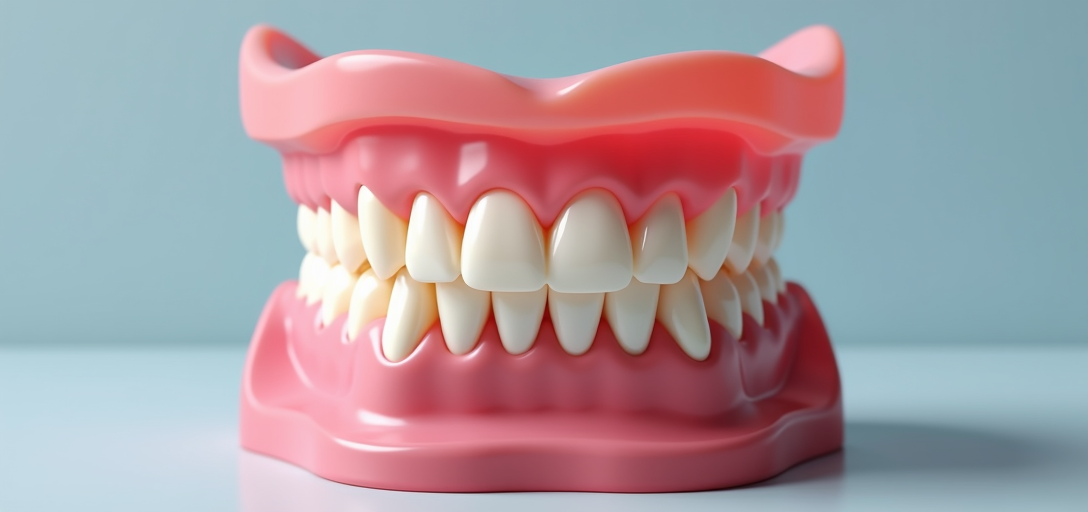
Understanding Denture Stability Issues
If you’ve ever experienced the frustration of a lower denture that won’t stay in place, you’re not alone. This issue is common among denture wearers and can significantly affect your daily life, from impacting your ability to eat your favorite foods to reducing your confidence in social settings.
But why exactly do lower dentures tend to become unstable? This relates mainly to the anatomy of the lower jaw. Unlike the upper jaw, which has a larger surface area and a natural suction effect from the palate, the lower jaw is a narrow, U-shaped bone that moves during speaking and eating, making denture stability challenging.
Common Reasons for Lower Denture Instability
- Bone Resorption: Over time, the jawbone can shrink due to missing teeth, which directly affects the fit of your dentures.
- Lack of Saliva: Adequate saliva is crucial for adherence, and insufficient saliva can lead to slippage.
- Poor Fit: Dentures may not fit properly if they are not customized accurately, leading to discomfort and instability.
What Dentists Now Recommend for Secure Lower Dentures
Fortunately, modern dentistry offers several solutions to address these challenges, ranging from simple adjustments to advanced dental procedures.
Solution 1: Adhesives
Adhesives remain a popular choice for many denture wearers. They provide an additional level of security and can help keep your dentures in place. When using adhesives, ensure they are specifically designed for dental use, and follow the instructions carefully to avoid potential complications.
Solution 2: Implant-Supported Dentures
Dentists today often recommend implant-supported dentures as a more stable and long-term solution. These involve placing dental implants into the jawbone, which act as roots onto which the dentures can be securely clipped. This procedure reduces bone resorption significantly and provides a strong foundation, allowing dentures to remain stable even under pressure.
According to 2026 data from the American Dental Association, implant-supported dentures have a success rate of over 95%, making them a reliable choice for many patients. For more information, you can visit the American Dental Association website.
Solution 3: Soft Relines
For individuals whose gums are sensitive or who have issues with hard dentures, soft relines present a favorable option. This involves using a pliable material to line the fitting surface of a denture, improving comfort and grip.
Maintaining Your Denture Fit Over Time
Maintaining proper denture fit requires regular check-ups with your dentist. Additionally, here are some ongoing practices you can adopt:
- Regular Dental Visits: Bi-annual visits can catch potential issues early and ensure your dentures are adjusted as needed.
- Proper Cleaning: Clean your dentures daily using a soft-bristle toothbrush and non-abrasive cleaner.
- Denture Care Products: Use products that help maintain the condition of the dentures and health of your gums.
Real-World Impact: Patient Success Stories
Pat Johnson from Austin, Texas, shared her experience after transitioning to implant-supported dentures. She noted, “Switching to implants was life-changing. I can eat and speak with confidence without fearing my dentures will shift.” Similar testimonials highlight the significant benefits these modern solutions provide.
Another patient, Robert Lopez, from Miami, explained how daily use of adhesives improved his quality of life. “I like adhesives because they’re easy and give me the peace of mind during meals and public speaking.”
Conclusion: Taking the Next Step
Dealing with a lower denture that won’t stay in can feel overwhelming, but with advancements in dental technology, solutions are more accessible than ever. Whether it’s through the use of adhesives, opting for implant-supported dentures, or getting a soft reline, there are options tailored to meet different needs and budgets.
It’s crucial to consult with your dentist to discuss which solution aligns best with your oral health and lifestyle. For continuous updates and educational materials, consider exploring resources provided by credible organizations like the Centers for Disease Control and Prevention (CDC) Oral Health section.