The Best Low Interest Credit Cards in Australia: A Comprehensive Comparison of Rates and Fees
Looking to compare low interest credit cards in Australia? Explore a variety of options featuring competitive rates and minimal fees. Discover how different cards match your spending habits and financial goals without the hassle of overhyped promises.
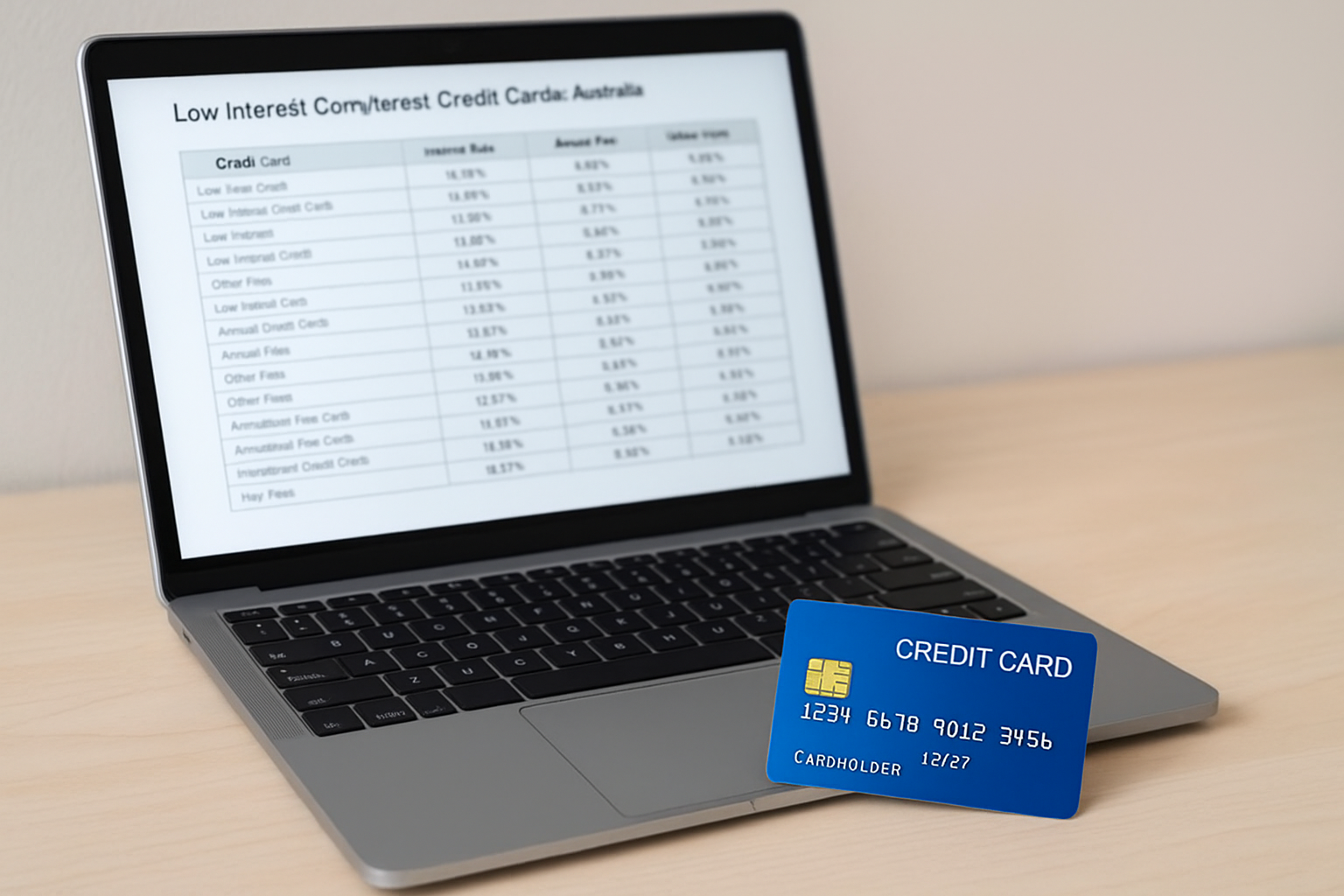
Understanding Low Interest Credit Cards in Australia
In today's financial landscape, managing debt efficiently is crucial. One way to do this is by utilizing low-interest credit cards, particularly for Australians looking to optimize their finances. Low interest credit cards can offer a more affordable solution for those who carry a balance. This article delves into everything you need to know about comparing low-interest credit cards in Australia, including their rates, fees, and considerations when choosing one.
What is a Low Interest Credit Card?
A low interest credit card typically offers a reduced interest rate on balances carried over month-to-month compared to standard credit cards. These cards can be beneficial for individuals who tend to carry a balance, allowing them to save money on interest charges and pay off their debt quicker.
- Typical Interest Rates: While standard cards often have interest rates exceeding 20%, low-interest options may provide rates ranging from 9% to 14%.
- Interest-Free Periods: Many of these cards still offer interest-free periods on purchases if balances are paid in full by the due date, typically ranging from 44 to 55 days.
Why Consider a Low Interest Credit Card?
Deciding to apply for a low interest credit card can depend on several factors:
- Debt Management: If you're currently struggling with high-interest credit card debt, switching to a low interest card can reduce the amount of interest you pay.
- Cost Savings: Over time, the savings on interest could be significant, especially if the card is used to consolidate higher-interest debts.
- Practicality: For those regularly carrying a balance, the reduced interest rate can mean more manageable monthly payments.
Comparing Rates and Fees Effectively
When comparing low interest credit cards, it's important to look beyond just the interest rate. Here are some key factors to consider:
Interest Rates
The primary feature of a low interest credit card is, of course, the interest rate itself. However, make sure you understand whether the rate is introductory or ongoing. Introductory rates may be lower for a certain period (often 6-12 months) before reverting to a higher standard rate.
Annual Fees
While some low interest cards come with no annual fee, others might have a modest fee. Be sure to weigh this cost against the potential savings in interest. In some cases, a card with a slightly higher interest rate but no annual fee could be more economical.
Other Fees
- Balance Transfer Fee: Some low interest cards offer low or zero percent balance transfer offers, which can be a strategic way to pay down existing debt. However, they may charge a balance transfer fee, generally around 1% to 3% of the amount transferred.
- Late Payment Fee: These fees can typically range from $10 to $35. To avoid unexpected costs, always review any potential penalties for late payments.
Rewards and Benefits
While low interest cards often focus more on reducing costs rather than offering rewards, some may still propose valuable benefits such as cashback offers or discounts on specific purchases.
How to Choose the Right Low Interest Credit Card
Choosing the right card requires considering your financial habits and needs. Here’s how to make an informed decision:
- Assess Your Spending Habits: Are you likely to carry a balance regularly? If so, focus on securing the lowest possible ongoing rate.
- Calculate Your Savings: Use an online calculator to estimate how much you might save with lower rates based on your typical balance.
- Read the Fine Print: Always thoroughly review the card's terms and conditions to understand all fees, rate changes, and policies.
Recent Trends and Data
According to recent 2026 financial market reports, Australian credit card debt levels have seen a slight decline, attributed partly to the growing consumer shift towards low interest products ([Source 1](https://www.afr.com)). Additionally, the Reserve Bank of Australia noted a drop in standard interest rates by 0.25% over the past year, highlighting a favorable environment for low-interest cardholders ([Source 2](https://www.rba.gov.au)).
Final Thoughts
Low interest credit cards can be a strategic financial tool for Australians aiming to pay down debt more effectively and save on interest costs. However, selecting the right card requires careful consideration of rates, fees, and one's financial habits. By doing so, consumers can manage their finances better and achieve greater economic stability in the long term.