Exploring Affordable Housing Options in North Carolina's Top Cities
Exploring affordable housing options in North Carolina? Discover which cities offer the best opportunities! Housing costs vary widely, and while some areas present more budget-friendly options, others may surprise you.
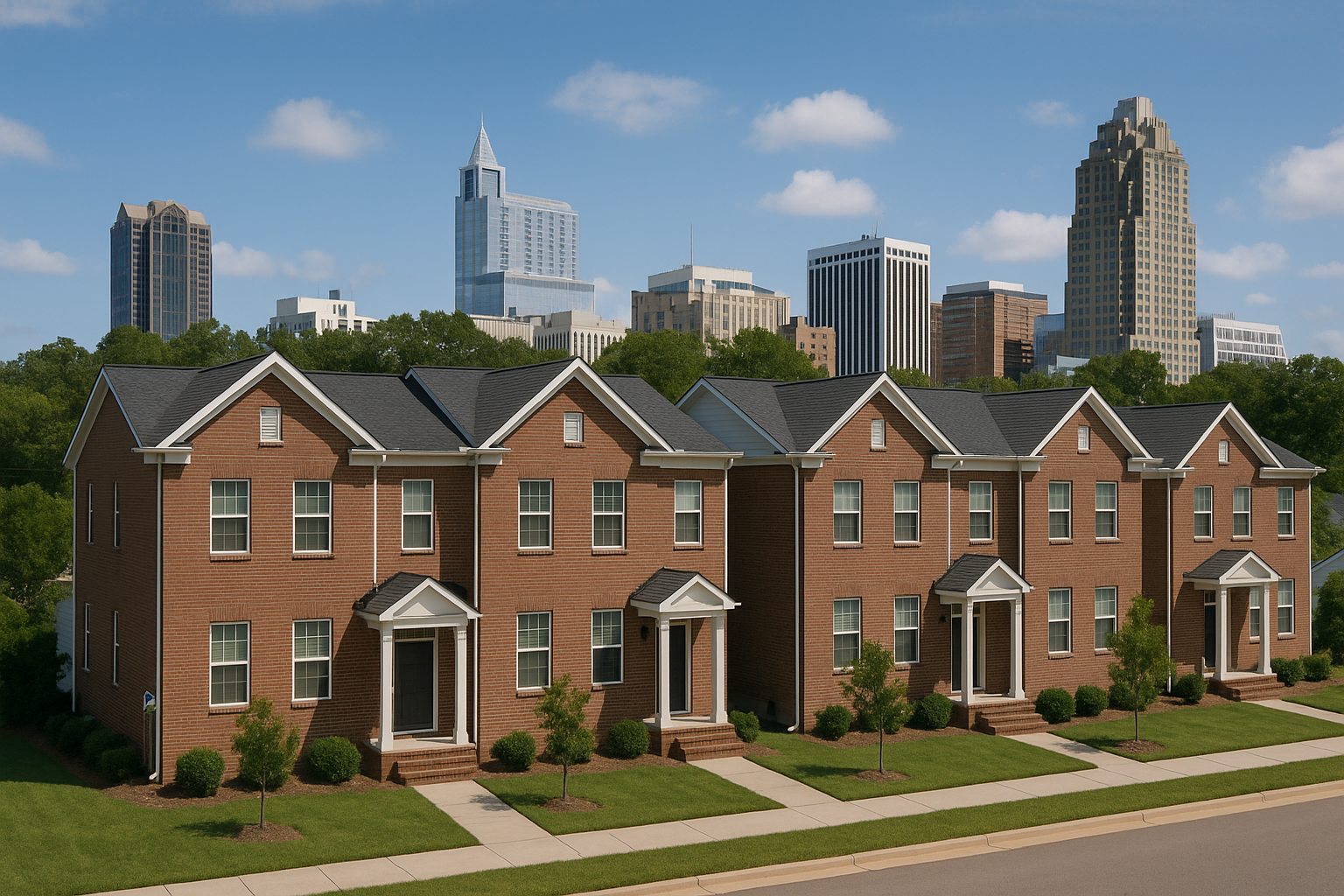
Understanding Affordable Housing in North Carolina
North Carolina, known for its scenic landscapes and rich cultural heritage, also offers a variety of housing options for prospective residents. With affordability becoming a crucial factor in housing decisions, many are turning their attention to the cities within this state that offer more budget-friendly home prices. This guide explores which cities in North Carolina provide affordable housing and what makes them stand out in the current market.
Factors Contributing to Housing Affordability
Affordable housing is determined by several factors, including median income levels, cost of living, property values, and availability of housing options. The price-to-income ratio, which compares median home prices to median incomes, is a common metric to gauge affordability. Cities with a lower ratio typically offer more affordable housing options.
Cost of Living
The cost of living encompasses living expenses like groceries, transportation, utilities, taxes, and healthcare. Cities with a lower cost of living, naturally, enhance the affordability of housing. According to Sperling's Best Places, North Carolina has a cost of living index of 94, below the national average of 100. This makes it a financially attractive option for those looking to stretch their dollar further.
Top Cities with Affordable Housing in North Carolina
Here's a closer look at some North Carolina cities that are considered affordable in 2026, along with what makes each unique.
Greensboro
Greensboro, part of the Piedmont Triad, offers a rich blend of urban life with a Southern charm. As of 2026, the median home price in Greensboro is around $245,000, significantly below the national median. Greensboro is appealing due to its robust job market and the presence of educational institutions like the University of North Carolina at Greensboro and North Carolina A&T State University.
A combination of a diverse economy and cultural diversity makes it a vibrant place to settle while keeping housing costs manageable.
Fayetteville
With a median home price of $230,000, Fayetteville boasts affordable housing options in 2026. The city's economy is largely supported by the military, due to the presence of Fort Bragg. This stability offers residents a sense of job security and contributes to keeping living costs lower.
Fayetteville also offers abundant recreational activities and community events, making it appealing to families and retirees alike.
Winston-Salem
Known for its rich history and burgeoning arts scene, Winston-Salem offers a median home price of approximately $250,000 in 2026. The city's focus on innovation and health sciences—evidenced by the presence of the Wake Forest Baptist Medical Center—supports a growing economy.
Winston-Salem has an attractive cost of living paired with a community-focused atmosphere, making it a desirable place to live for both young professionals and families.
Durham
While Durham's housing prices have seen an uptick due to its rapid growth, the city still offers affordable options with a median home price of about $300,000. The burgeoning tech industry and higher education institutions like Duke University fuel the local economy, providing numerous opportunities for career advancement.
Durham's mix of cultural offerings and its dynamic job market make it a popular choice for those seeking a blend of affordability and vibrancy.
Why Choose North Carolina?
North Carolina’s appeal goes beyond affordable housing. Known for its natural beauty—ranging from the mountains in the west to the coastal plains in the east—the state offers a variety of recreational activities. Additionally, North Carolina's climate is generally moderate, with four distinct seasons and mild to warm temperatures for most of the year.
The state is home to various cultural attractions, educational institutions, and a burgeoning economy that has been particularly resilient. The lower cost of living compared to states like New York or California allows residents to enjoy a relatively high quality of life without the hefty price tag.
Conclusion: Making the Move
Choosing where to live in North Carolina can depend on various personal and financial factors. The cities listed provide affordable housing options without compromising quality of life, making them ideal candidates for those seeking a new place to call home in 2026.
When making such a decision, prospective homeowners should consider local job markets, amenities, and long-term property trends. With careful planning and research, moving to one of North Carolina's affordable cities can be a satisfying and strategic choice.
For more personalized advice, whether you’re purchasing your first home or considering relocation, consulting local real estate experts and visiting these cities can provide valuable insights and guidance.