Exploring Arizona: Towns Where Housing Is More Budget-Friendly
Looking for affordable living options in Arizona? Discover towns offering more budget-friendly housing without breaking the bank. Explore charming communities where your dollar stretches further while still enjoying all the beauty Arizona has to offer.
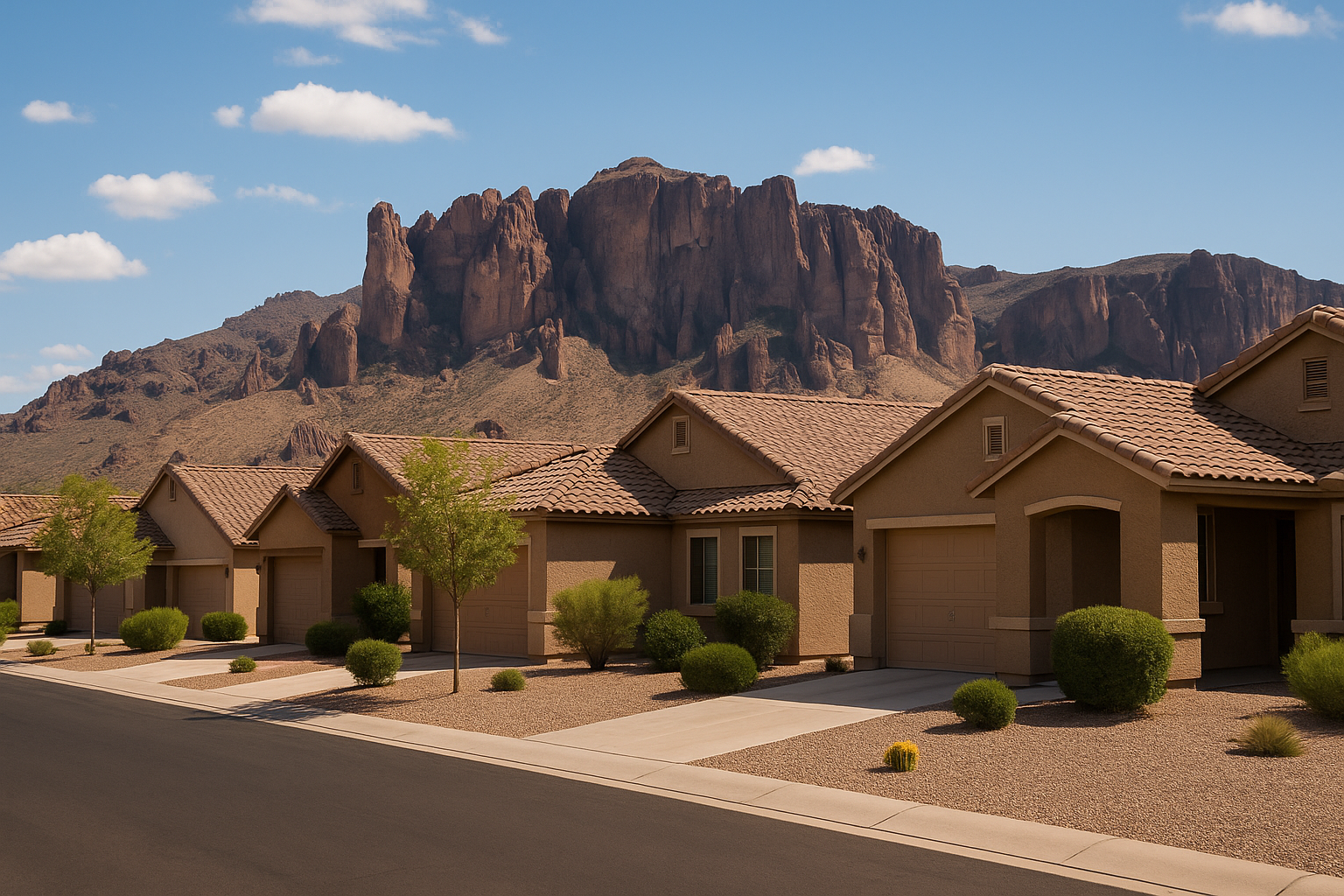
Understanding Affordable Housing in Arizona
Arizona, known for its warm climate and stunning landscapes, is experiencing a shift in its real estate market. Many potential homebuyers and renters are on the lookout for more affordable living options. This quest for affordability is influenced by various factors, including economic conditions, cost of living, and housing supply.
What Defines Affordable Housing?
Affordable housing is typically defined as housing for which the occupant is paying no more than 30% of their household income for gross housing costs, including utilities. This basic benchmark helps ensure that households have enough income left for other important expenses such as food, transportation, and healthcare.
Key Towns in Arizona Offering More Affordable Housing
While more popular areas like Phoenix and Scottsdale tend to have higher housing prices, there are several towns across Arizona where housing is more affordable. Here’s a closer look at some of these towns and what makes them appealing to cost-conscious buyers and renters.
Yuma
Yuma, located in southwestern Arizona, is known for its affordable real estate market. Due to its location near California and its agricultural economy, housing costs remain relatively low compared to the state average. The median home price in Yuma is around $250,000 as of 2026, making it an attractive option for those wanting to stretch their dollars further.
Casa Grande
Casa Grande, situated halfway between Phoenix and Tucson, offers an ideal blend of small-town charm and big-city access. The median home price here is approximately $280,000 in 2026, appealing to families and professionals looking for affordable real estate. The recent expansion of job opportunities in industries like manufacturing and distribution further enhances its attractiveness.
Sierra Vista
Known for its military base, Fort Huachuca, Sierra Vista provides affordable living with a median housing price hovering around $260,000 in 2026. The town offers a strong sense of community, excellent schools, and a low crime rate, making it a desirable location for military families and civilians alike.
Flagstaff
Although Flagstaff is a bit pricier than other towns on this list, with median home prices around $350,000, it offers affordable housing options through a variety of government and non-profit assistance programs aimed at low and moderate-income families. Flagstaff’s unique position near the Grand Canyon and its vibrant culture make it a unique choice.
Factors Affecting Housing Affordability in Arizona
Several factors influence housing affordability in Arizona, including economic growth, population influx, and housing policies. Understanding these elements can help prospective homeowners and renters navigate the landscape more effectively.
Economic Conditions
Arizona's economy is growing steadily, driven by sectors such as technology, healthcare, and manufacturing. This growth often translates to more job opportunities but may also lead to increased demand for housing, thus affecting prices.
Population Growth
Arizona is one of the fastest-growing states in the U.S., with many people relocating from states like California. This influx contributes to housing demand, potentially driving up costs in certain areas. Towns like Casa Grande and Yuma remain attractive because they balance growth with affordability.
Supply and Demand
The balance between supply and demand is critical. Areas experiencing rapid development or significant population growth may see higher prices if the housing supply cannot keep pace. Initiatives to expand affordable housing stock are crucial in managing this aspect.
Tips for Finding Affordable Housing
For those seeking affordable housing in Arizona, there are several strategies they can employ to improve their chances of finding the right home at the right price.
- Research the Housing Market: Use online real estate platforms to compare prices and find trends.
- Consider Government Programs: Look into state and federal programs designed to assist first-time buyers and low-income families.
- Negotiate: If you're buying, don't be afraid to negotiate the price; you may be able to secure a better deal.
- Expand Your Search: Look beyond popular neighborhoods. Many surrounding areas offer competitive prices without sacrificing quality of life.
Conclusion
With the insights provided, navigating the Arizona real estate market for affordable housing should feel less daunting. While larger cities may seem tempting, looking towards towns like Yuma, Casa Grande, and Sierra Vista can provide exciting opportunities for economical living without compromising on lifestyle. As you plan your relocation or investment, consider these areas and factors that contribute to making an informed housing decision in Arizona.