Exploring Medications Associated with Tardive Dyskinesia
Uncover essential information about the list of medications linked to causing tardive dyskinesia. This article explores potential medications associated with the condition, highlighting the importance of staying informed.
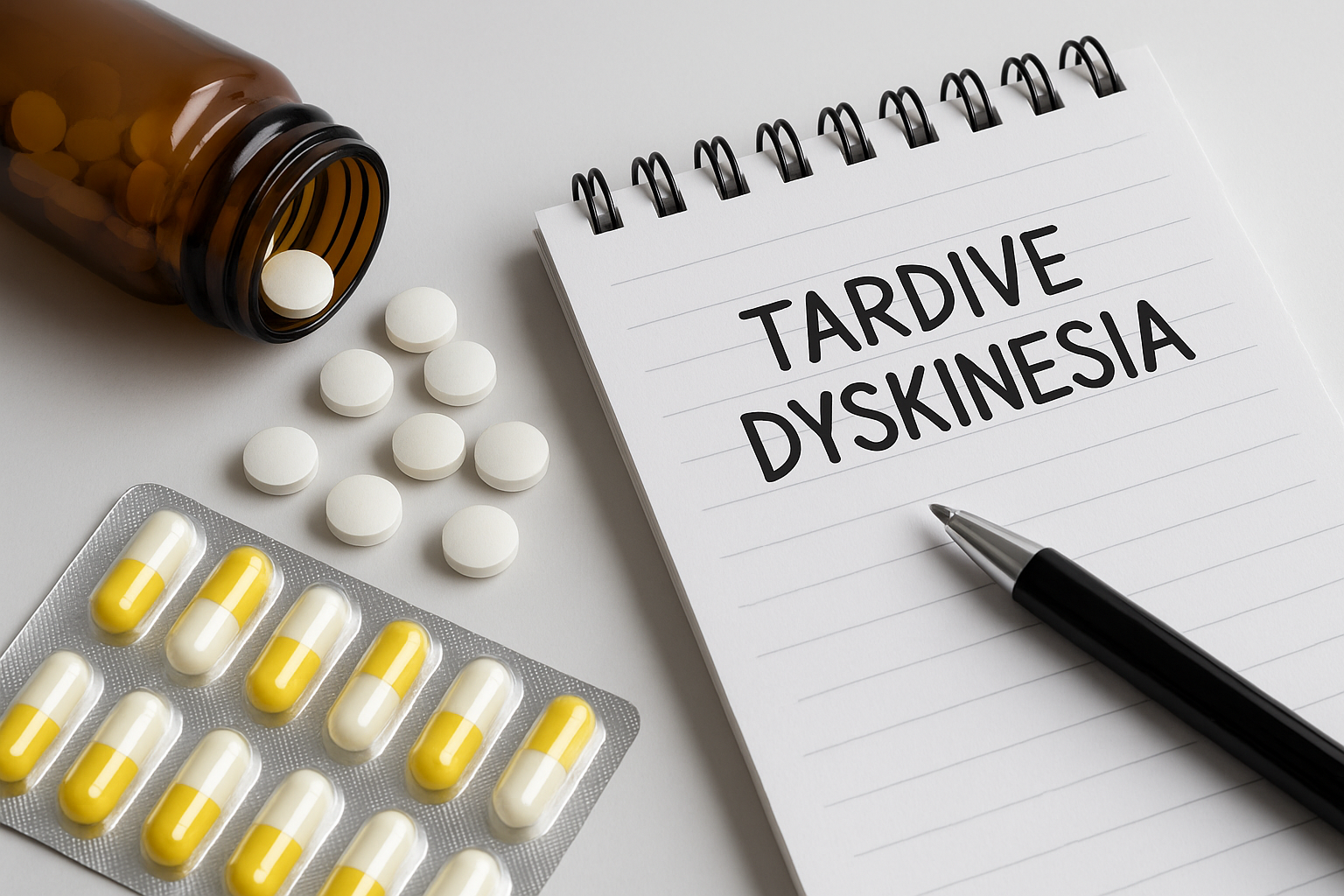
An Overview of Tardive Dyskinesia
Tardive dyskinesia (TD) is a serious and often debilitating condition characterized by involuntary, repetitive body movements. These movements can include grimacing, sticking out the tongue, or lip-smacking and can become more pronounced over time. While anyone who takes certain medications can develop TD, it's more common in people who have taken them for extended periods. Understanding the medications responsible and the implications of TD is crucial for those managing their mental health with pharmacotherapy.
Medications Linked to Tardive Dyskinesia
Several categories of medications have been identified as potential causes of tardive dyskinesia. These primarily include drugs used in the treatment of psychiatric disorders, particularly antipsychotics. Below is a list of some well-known medications linked to TD:
- Antipsychotics: These drugs, especially older neuroleptics such as Haloperidol (Haldol) and Chlorpromazine (Thorazine), are most commonly associated with TD. Some newer atypical antipsychotics, like Risperidone (Risperdal) and Olanzapine (Zyprexa), may also pose risks, albeit typically lower than older medications.
- Antidepressants: While less common, some antidepressants have been suggested to contribute to TD risk. The exact mechanism is not well understood, and ongoing studies aim to clarify these associations.
- Other medications: Drugs like Metoclopramide, used for nausea and gastrointestinal issues, also carry a TD risk due to their dopamine-blocking properties.
Understanding the Risk Factors
The likelihood of developing tardive dyskinesia doesn't solely depend on the type of medication taken. Several other risk factors can contribute to a person's susceptibility. These include:
- Duration of drug use: The longer a person takes a drug known to cause TD, the greater their risk of developing these involuntary movements.
- Age: Older adults, particularly those over 55 years, are at a heightened risk.
- Gender: Some research suggests that women may be more susceptible to developing TD than men, although the reason is not fully understood.
- Dosing: Higher doses of TD-inducing medications can increase risk, prompting many doctors to prescribe the lowest effective doses.
- Underlying medical conditions: Conditions such as diabetes may elevate the risk of developing TD.
Diagnosis and Management
Recognizing and diagnosing tardive dyskinesia involves a thorough clinical assessment. Healthcare professionals often rely on patient history, physical examinations, and sometimes specialized movement disorder assessments.
Diagnostic Tools
There are no specific blood tests or imaging studies for TD. Medical professionals rely on scales, such as the Abnormal Involuntary Movement Scale (AIMS), to evaluate and track TD symptoms over time, helping to assess both the severity and progression.
Management Strategies
While managing TD can be challenging, several approaches may help alleviate symptoms:
- Medication adjustments: Changing the dosage or switching to a different medication under a physician’s guidance can help manage symptoms.
- Prescription treatments: In 2026, medications such as valbenazine (Ingrezza) and deutetrabenazine (Austedo) are available specifically to treat TD. These work by reducing involuntary movements.
- Lifestyle adjustments and support: Practical lifestyle changes, supportive therapies, and regular follow-ups can enhance quality of life for individuals with TD.
Current Research and Future Directions
The complexity of tardive dyskinesia means ongoing research is crucial. Recent studies from 2026 highlight advancements in understanding the pathophysiology of TD, focusing on genetic predispositions and neurochemical pathways. These findings may pave the way for new treatment avenues and preventive strategies (source: Journal of Neuroscience Research).
Moreover, researchers are exploring non-pharmacological interventions, such as neuromodulation techniques, which have shown promise in preliminary trials (source: Frontiers in Neuroscience).
Conclusion
Understanding the link between medications and tardive dyskinesia is vital for anyone taking or prescribing these drugs. While the potential for developing TD is concerning, knowledge of the risk factors, early diagnosis, and appropriate management strategies can significantly mitigate this risk. As research continues to evolve, we remain hopeful for more refined treatments and perhaps preventative measures to protect future patients.