Exploring Modern Home Improvement Trends for Australian Homes in 2026
Explore a fresh take on modern home improvement ideas in Australia 2026. Discover inspiring trends that are shaping stylish, functional living spaces without making bold claims.
Understanding Modern Home Improvement Trends
The landscape of home improvement has dramatically evolved in recent years, and by 2026, innovative designs and sustainable practices have become central to Australia's home improvement scene. Homeowners are not just looking for aesthetic upgrades; they seek functional, sustainable, and technologically advanced solutions that add value and comfort to their homes.
One of the primary questions homeowners ask is: What are the current trends in modern home improvement? To answer this, it's important to delve into various aspects like sustainable living, smart technology integration, and personalized home designs.
Sustainable Living
Sustainability is at the forefront of modern home improvement. In 2026, Australian homeowners are increasingly aware of their environmental footprint and are adopting solutions that support sustainability. Key areas focused on include:
- Energy-Efficient Appliances: From smart thermostats to energy-star rated appliances, Australians are investing in gadgets that consume less energy and reduce monthly utility bills. The focus is on minimizing energy consumption without sacrificing convenience.
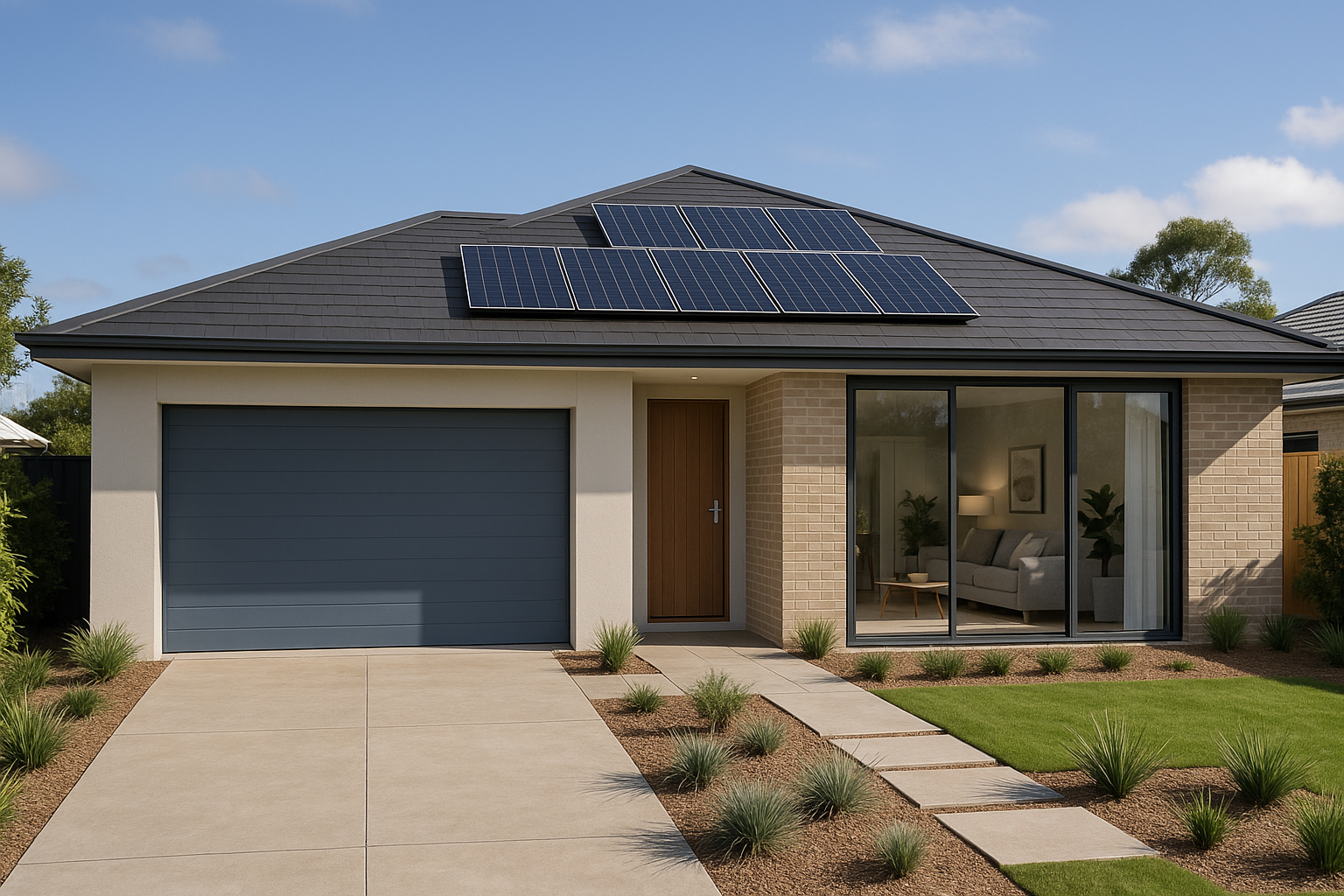
- Solar Power: Australia, known for its sunshine, continues to lead in solar power adoption. By 2026, almost 25% of Australian homes have solar panels installed, making significant cuts in energy costs while contributing to environmental conservation. [Australian Energy Statistics]
- Water Conservation: With water scarcity concerns, Australians are installing rainwater harvesting systems and opting for low-flow fixtures and appliances to reduce water usage.
Integration of Smart Home Technologies
In line with technological advancements, smart home technologies are a significant aspect of modern home improvements. Here's how tech-savvy solutions are redefining homes:
- Home Automation Systems: These systems allow homeowners to control lighting, temperature, and even security systems through their smartphones, providing convenience and optimizing energy use.
- Security Enhancements: Modern security systems offer features like facial recognition and smart locks, providing peace of mind to homeowners while away.
- Virtual Assistants: Integrating assistants like Google's Nest Hub or Amazon's Echo provides an interconnected experience, making daily tasks more efficient through voice commands.
Personalized Home Design
Customization and personalization have taken center stage, with more Australians seeking homes that reflect their individual tastes and lifestyles. According to a study by the Australian Bureau of Statistics, over 60% of homeowners favor renovations that are unique to their preferences and functional needs. [Australian Bureau of Statistics]
Key aspects include:
- Open-Floor Plans: The desire for larger, more flexible spaces remains, with living, dining, and kitchen areas often designed as one cohesive space to enhance social interaction.
- Multipurpose Rooms: With the rise of remote working, homeowners are creating versatile spaces that function as home offices by day and entertainment rooms by night.
- Biophilic Designs: Incorporation of natural elements like plants and sunlight in interior spaces is known to enhance well-being and connectivity with nature.
Cost Considerations and Financial Incentives
As exciting as modern home improvements are, they come with financial implications. On average, homeowners in Australia spend between AUD 20,000 to AUD 50,000 on mid-range improvements. Here's what to consider:
Budgeting: A detailed budget plan is crucial. Prioritize projects that offer the highest return on investment or those that align with sustainability goals.
Government Incentives: By 2026, the Australian government has introduced incentives for homeowners who incorporate eco-friendly systems, offering tax rebates for solar installations and energy-efficient appliances. These initiatives reduce upfront costs and encourage adoption of green technologies. [Department of the Environment and Energy]
Conclusion: Future-Proofing Your Home
As 2026 progresses, the trend towards modern, sustainable, and technology-driven home improvement is expected to continue growing in Australia. By investing in smart, sustainable, and personalized home upgrades, homeowners not only enhance their living spaces but also contribute positively to the environment and the community.
With careful planning and informed decisions, you can future-proof your home, ensuring it remains stylish, efficient, and sustainable for years to come.