Step-by-Step Guide for Seniors: Enrolling in Remote Patient Monitoring Services in Australia
Discover how seniors can effectively enroll in remote patient monitoring services in Australia. Explore the potential benefits and what steps they need to take to access these services. With patient monitoring technology advancing, more seniors can maintain their health from home.
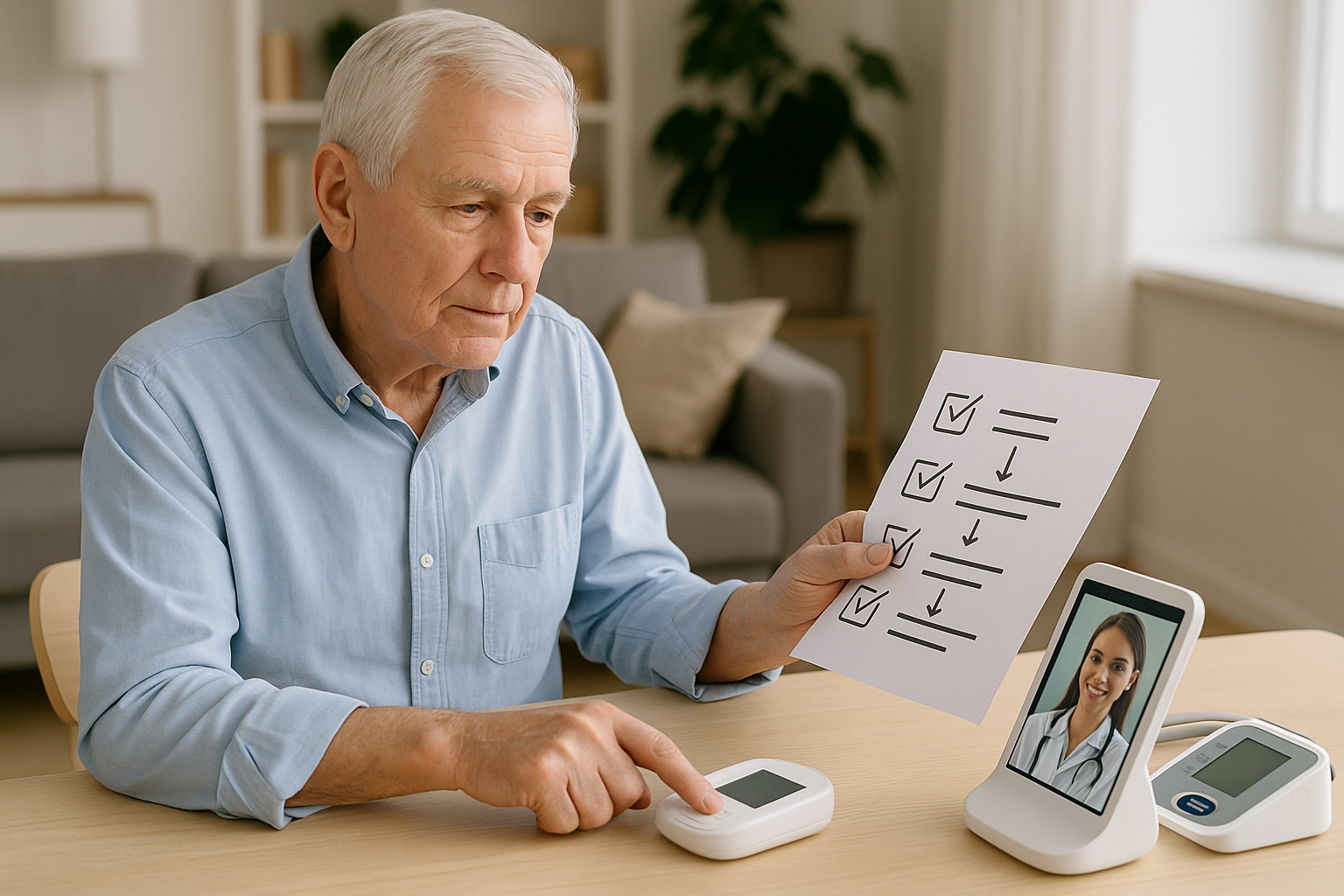
Understanding Remote Patient Monitoring Services
Remote Patient Monitoring (RPM) is a technological service that allows healthcare providers to monitor patients' health from a distance. This is particularly beneficial for seniors, who may face challenges in traveling to attend medical appointments. RPM incorporates various devices and software to track health metrics such as heart rate, blood sugar levels, and oxygen saturation, empowering both patients and healthcare providers with real-time data.
As of 2026, the Australian healthcare system has increasingly integrated RPM solutions, aiming to enhance healthcare accessibility for senior citizens. These services have become vital in managing chronic illnesses, reducing hospital admissions, and improving overall health outcomes.
In this article, we will explore the process through which seniors in Australia can enroll in these valuable services and address common concerns and questions they may have.
Why Remote Patient Monitoring is Beneficial for Seniors
Seniors often deal with multiple health issues that require constant monitoring, such as diabetes, hypertension, and heart disease. RPM services provide several advantages:
- Enhanced Health Outcomes: Continuous monitoring allows for early detection of potential health issues, enabling timely intervention.
- Increased Convenience: Seniors can receive medical attention without leaving their homes, reducing the stress and physical burden of traveling to medical appointments.
- Better Resource Management: Healthcare providers can focus resources on patients who need immediate in-person care, thanks to RPM.
The growing adoption of RPM services is supported by advancements in wearable technology and increased internet connectivity across Australia.
Steps for Seniors to Enroll in Remote Patient Monitoring Services
Consult with Your Healthcare Provider
The first step for seniors interested in RPM is to discuss with their healthcare provider. Not all healthcare providers offer RPM services, so it's essential to confirm availability. During this consultation, providers assess the medical history and current health status to determine the appropriateness of RPM.
Selection of Monitoring Devices
Once deemed suitable, the next step is to choose the right monitoring devices. These devices are often supplied by the healthcare provider or through a partnering RPM service company. The choice of devices depends on specific health needs, such as:
- Blood pressure monitors for hypertension management
- Continuous glucose monitors for diabetes care
- Pulse oximeters for cardiovascular health
Setting Up and Using RPM Devices
Installation and Training
After receiving the devices, seniors will be guided on installation and use. Many RPM service providers offer personalized assistance, either through home visits or virtual calls, to ensure that seniors are comfortable using the technology. For example, an RPM provider like HealthLink provides comprehensive, user-friendly instructions and 24/7 support for their patients.
Data Monitoring and Communication
Once set up, the devices begin monitoring and transmitting data directly to healthcare providers. This data is reviewed regularly to track health trends and spot irregularities. Seniors should maintain regular communication with their healthcare provider to discuss any alerts or changes in their health status. Platforms like MyHealthRecord have made it easier for seniors to view their health data and share it with designated family members.
Addressing Common Concerns
Privacy and Security of Health Data
One major concern seniors may have regarding RPM is the privacy and security of their health data. In response, the Australian government has enforced strict regulations under the My Health Records Act 2012 to protect personal health information. RPM providers comply with these regulations, ensuring data is transmitted over secure networks and stored in encrypted formats.
Cost and Insurance Coverage
Cost can be a significant factor in the decision to adopt RPM services. While some seniors may worry about expenses, many RPM services are covered under private health insurance and the Medicare Benefits Schedule (MBS). Seniors are encouraged to consult with their healthcare providers and insurance companies to understand the specifics of their coverage.
Future of Remote Patient Monitoring for Seniors in Australia
As technology continues to evolve, so does the potential for RPM services to transform senior healthcare. Innovations such as artificial intelligence and machine learning are set to personalize and enhance remote monitoring capabilities even further. The Australian government, recognizing the benefits, has pledged additional funding towards integrating digital health technologies into the national healthcare framework.
To make the most of these advancements, seniors should remain informed about upcoming technologies and services related to RPM. Attending workshops and staying connected with healthcare communities can provide more insights into leveraging these services effectively.
For more information on RPM and enrollment processes, seniors can consult resources provided by the Australian Department of Health or inquire directly through their healthcare providers. Reliable sources like the Australian Digital Health Agency and Australian Government's Department of Health offer up-to-date information and guidelines on various digital health services and innovations.