Uncovering the True Impact of Landscaping on Property Value
Have you ever wondered how much impact landscaping can have on your property's value? While precise figures vary, quality landscaping often enhances curb appeal and creates an inviting outdoor environment, potentially increasing interest from buyers.
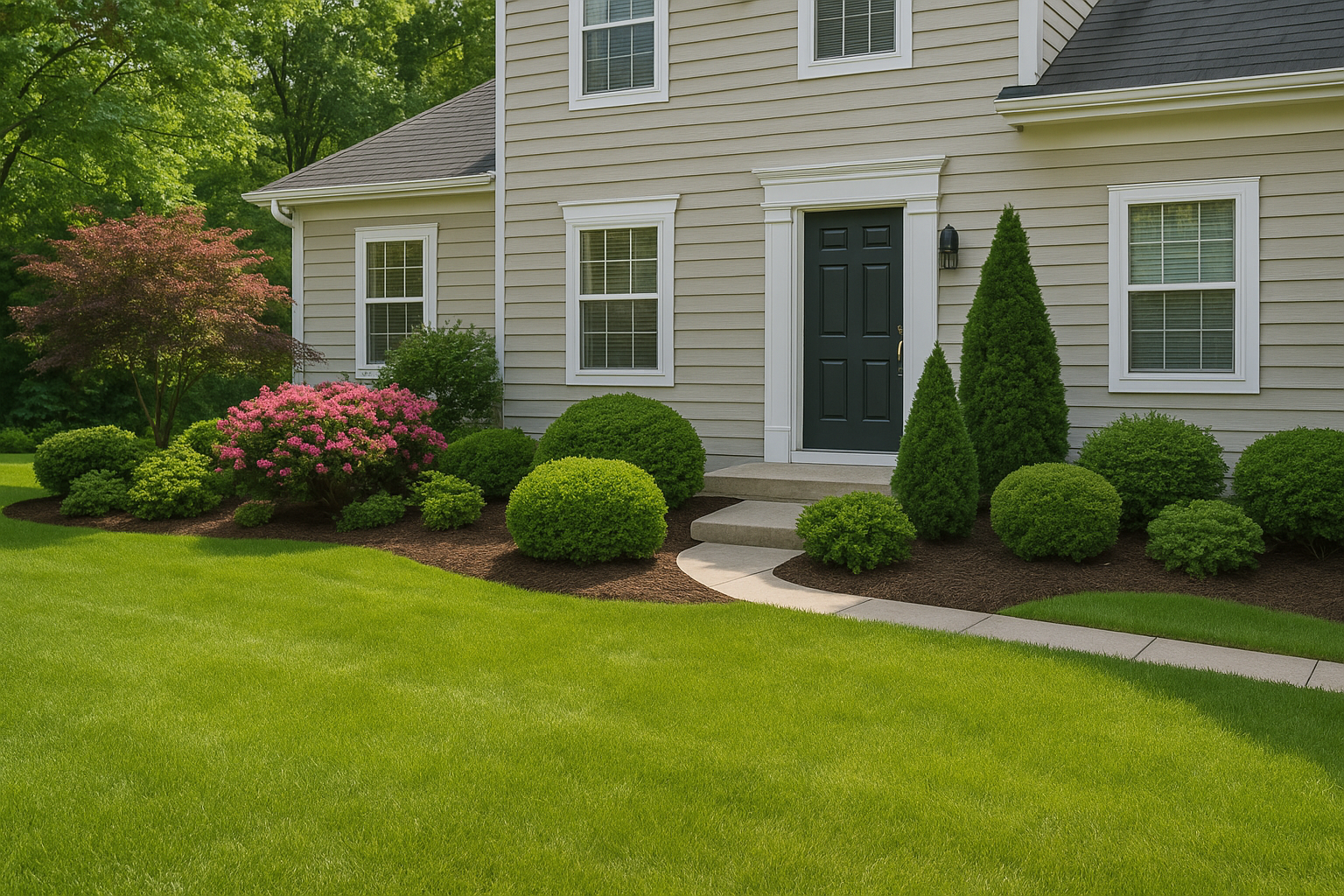
Understanding the Impact of Landscaping on Property Value
Landscaping is more than just adding greenery to your property; it's a strategic investment that significantly elevates curb appeal. Experienced realtors often emphasize first impressions, and a well-maintained landscape is a vital part of this. While many might wonder how much landscaping can improve property value, it’s essential to explore both statistical insights and real-world examples.
Key Factors That Determine Landscaping Value
The value addition from landscaping can vary depending on several key factors:
- Design Quality: Quality designs that complement the architectural style of a home usually yield better returns.
- Type of Plants: Native plants that require less maintenance and are weather-resistant tend to be more appealing to buyers.
- Maintenance Level: Well-maintained landscapes with lush, healthy plants are more attractive than neglected ones.
- Additions like Walkways and Lighting: Features such as stone pathways, garden lighting, and water features also boost the overall aesthetic and functional value of a property.
Current Trends in Landscaping (2026)
According to recent data from the National Association of Realtors (NAR), landscaping can add up to 10-15% of a property's value. The current trends for 2026 focus on sustainable and eco-friendly landscaping. These include:
- Xeriscaping: A landscaping method that reduces or eliminates the need for irrigation.
- Pollinator Gardens: Designed to attract butterflies and bees, enhancing biodiversity.
- Edible Landscapes: Incorporating fruit trees and vegetables that provide visual appeal and utility.
For more on these trends, visit the National Association of Realtors website.
Real-world Examples
Let’s consider the example of Tom and Sarah, who invested approximately $8,000 in professional landscaping. They opted for native plants and installed an automatic drip irrigation system to ensure low maintenance. Upon selling their home, the property's value increased by over $30,000, signifying the tangible benefits of landscaping. This example, echoed by surveys from Houzz, highlights the potential return on investment (ROI) from thoughtfully planned landscapes.
Questions About Landscaping ROI
Here are some of the common questions homeowners ask about landscaping's impact on property value:
- How much should I invest in landscaping? Experts recommend spending about 10% of your home’s value on landscaping for optimal ROI.
- Is it necessary to hire a professional? While DIY projects are feasible, professional landscapers ensure cohesive and sustainable designs that amateur setups might miss.
- How does climate affect landscaping decisions? Choosing plants suited to your region's climate not only reduces maintenance costs but also preserves local biodiversity.
Sustainability and Future Trends
With increasing environmental awareness, sustainable landscaping practices are not just trends but essentials. Low-water options and smart irrigation systems conserve resources while enhancing property value. Homeowners are also showing growing interest in local and native plant species that support wildlife and reduce water usage.
The Economic and Environmental Benefits
The integration of sustainable practices in landscaping does more than enhance aesthetics; it also boasts numerous environmental benefits:
- Reduces Water Consumption: Techniques like drip irrigation minimize water usage significantly.
- Enhances Property Value: Homes with sustainable landscapes often experience quicker sales and higher perceived values.
- Supports Ecosystems: Using native plants fosters important ground-level ecosystems crucial for local fauna.
A 2026 report from the Planet Earth Environmental Council indicates that properties featuring eco-friendly landscapes witness sales at a 20% faster rate compared to traditional methods. Such insights highlight how sustainability can turn landscaping into a crucial selling point.
Conclusion
In summary, strategic landscaping is a highly effective tool for boosting property value. It combines the aesthetics of your home with environmental responsibility, ensuring that your investments today pave the way for a greener planet and a higher home value tomorrow. The financial and ecological returns from thoughtful landscaping can offer homeowners long-term satisfaction and real value addition.
Whether you’re planning to resell soon or later, enhancing your landscape could be the decisive factor in attracting buyers and enhancing market value. As with any renovation project, careful planning and consultation with professionals can safeguard your investment and ensure you create a space that is both beautiful and sustainable.
References