Understanding Eliquis Patient Assistance Programs: What You Need to Know
Explore Eliquis Patient Assistance Programs to learn about potential savings on this important medication. These initiatives can offer financial relief, making treatment more affordable for those who qualify. Understanding how these programs work is essential to navigating your options successfully.
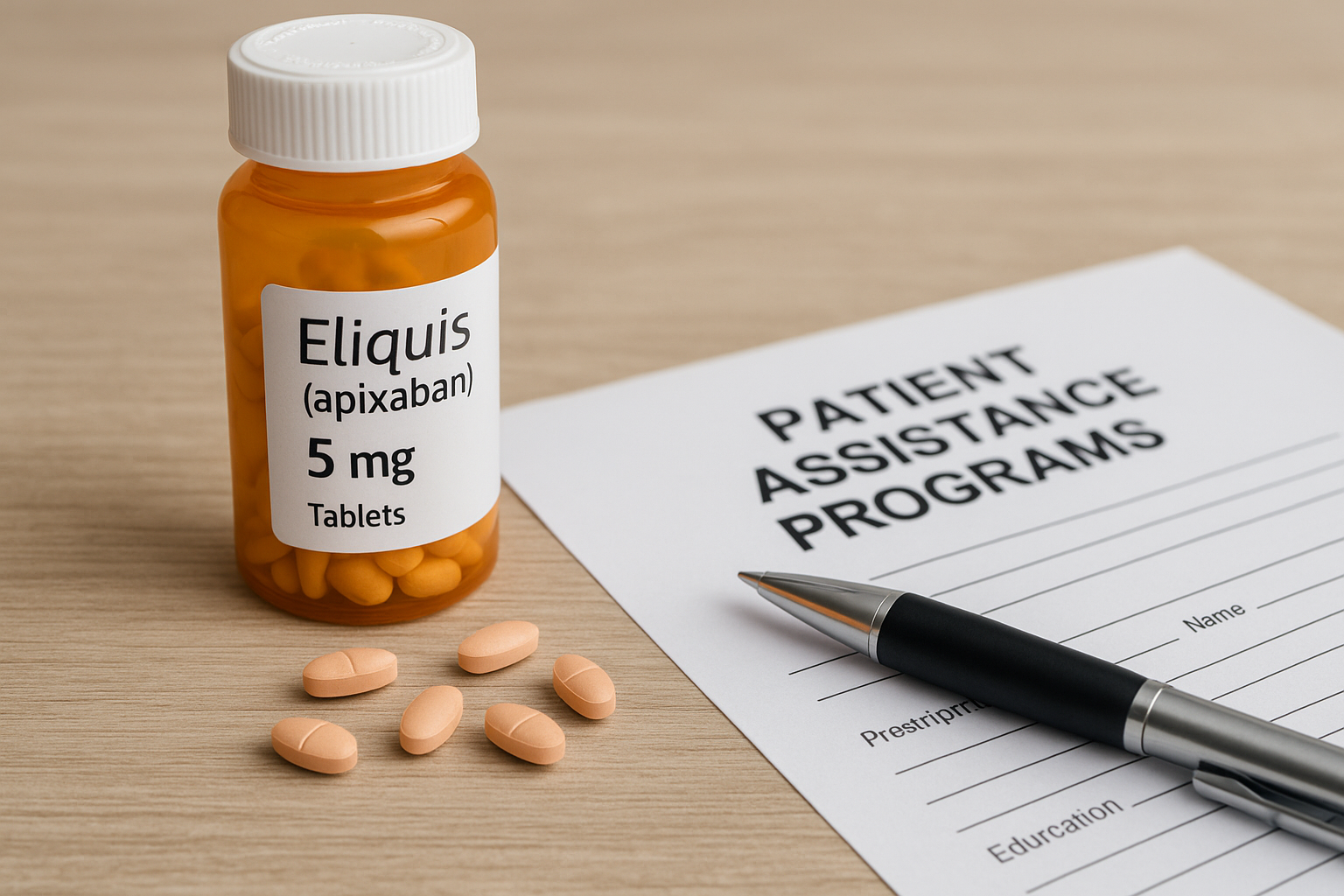
Understanding Eliquis Patient Assistance Programs
Eliquis, a common medication prescribed for preventing blood clots and reducing the risk of stroke, can be expensive without insurance or sufficient coverage. Consequently, patient assistance programs become a crucial gateway for many individuals who need access to this medication but face financial constraints. Understanding these programs is essential for both patients and healthcare providers looking to provide support.
What are Eliquis Patient Assistance Programs?
Patient assistance programs (PAPs) for Eliquis are typically initiatives offered by pharmaceutical companies, non-profits, or governmental organizations designed to help patients access their needed medications at low or no cost. These programs often require specific eligibility criteria, including financial need, insurance status, and residency.
Types of Assistance Available
Assistance programs for Eliquis can vary, and understanding what each offers can significantly ease the process of obtaining the medication.
- Manufacturer-Based Programs: Many pharmaceutical companies, including the makers of Eliquis, offer programs to help uninsured or under-insured patients. These programs usually involve a simple application process.
- Non-Profit Organizations: Several non-profit organizations provide assistance in obtaining medications. They often have their application processes and criteria.
- State and Federal Programs: Depending on your location, various government programs might provide aid for getting medications like Eliquis.
Each category has its own application process, required documentation, and eligibility criteria.
Eligibility Criteria
Criteria can differ from one program to another, but generally include the following:
- Income Level: Most programs require applicants to demonstrate income below a certain threshold, often pegged to a percentage of the Federal Poverty Level (FPL).
- Insurance Status: Many programs target individuals who are uninsured or under-insured. Documentation from your current insurance provider might be necessary.
- Residency: Individuals usually need to be residents of the United States to qualify for these programs.
To fully understand the specific requirements, visiting each provider's website or contacting them directly is recommended.
How to Apply for Eliquis Assistance Programs
Step-by-Step Application Process
The process typically involves several steps to ensure your application is complete and accurate:
- Gather Documentation: Collect necessary documents that prove your income, insurance status, and residency. These might include tax returns, pay stubs, and proof of address.
- Visit Program Websites: Explore websites of pharmaceutical companies or non-profit organizations offering assistance to locate specific program details.
- Complete Application: Submit completed applications along with required documentation. This can often be done online or via mail.
- Follow Up: After submission, monitor the progress by checking emails or contacting program support staff for updates.
Common Challenges and Solutions
Denial of Application: Common reasons for denial include incomplete applications and ineligibility. To avoid this, meticulously review the eligibility criteria and ensure all sections of your application are filled out.
Lack of Awareness or Information: Not all patients or healthcare providers are aware of such programs. Actively reaching out to healthcare providers or patient advocacy groups can help spread awareness.
Real-World Impact: Success Stories
Many patients have successfully secured Eliquis through patient assistance programs, significantly reducing financial burdens associated with medication costs. For example, a study published in 2026 noted that individuals who accessed these programs were able to maintain their treatment regimen without interruption, leading to better health outcomes (Evidence Based Medicine, 2026).
Representative Case Studies
Case studies have shown that individuals from diverse backgrounds and challenges managed to receive Eliquis at little to no cost:
- An elderly patient living on Social Security benefits succeeded in receiving medication through a pharmaceutical company’s PAP, which covered their prescription costs entirely after providing proof of income and residency.
- A middle-aged man without insurance was able to work with a non-profit organization to access Eliquis, which not only improved his health stability but also reduced anxiety about his financial situation.
Conclusion: The Importance of Access and Support
Access to medications like Eliquis is crucial for those at risk for life-threatening conditions such as blood clots and strokes. Patient assistance programs play a significant role in bridging gaps caused by high medication costs, ensuring that financial constraints do not impede access to necessary care.
Patients, caregivers, and healthcare providers should explore these options actively, promoting sustained health outcomes irrespective of economic status. For more information, visiting websites of community health organizations or directly reaching out to pharmaceutical companies remains a practical approach.
Reference Links
https://www.eliquis.bmscustomerconnect.com/support