Understanding Home Insurance: Coverage for Accessibility Modifications
Curious about whether your home insurance covers accessibility modifications? Navigating the intricacies of insurance policies can be challenging, especially when making essential changes for accessibility. Understanding your coverage options is crucial.
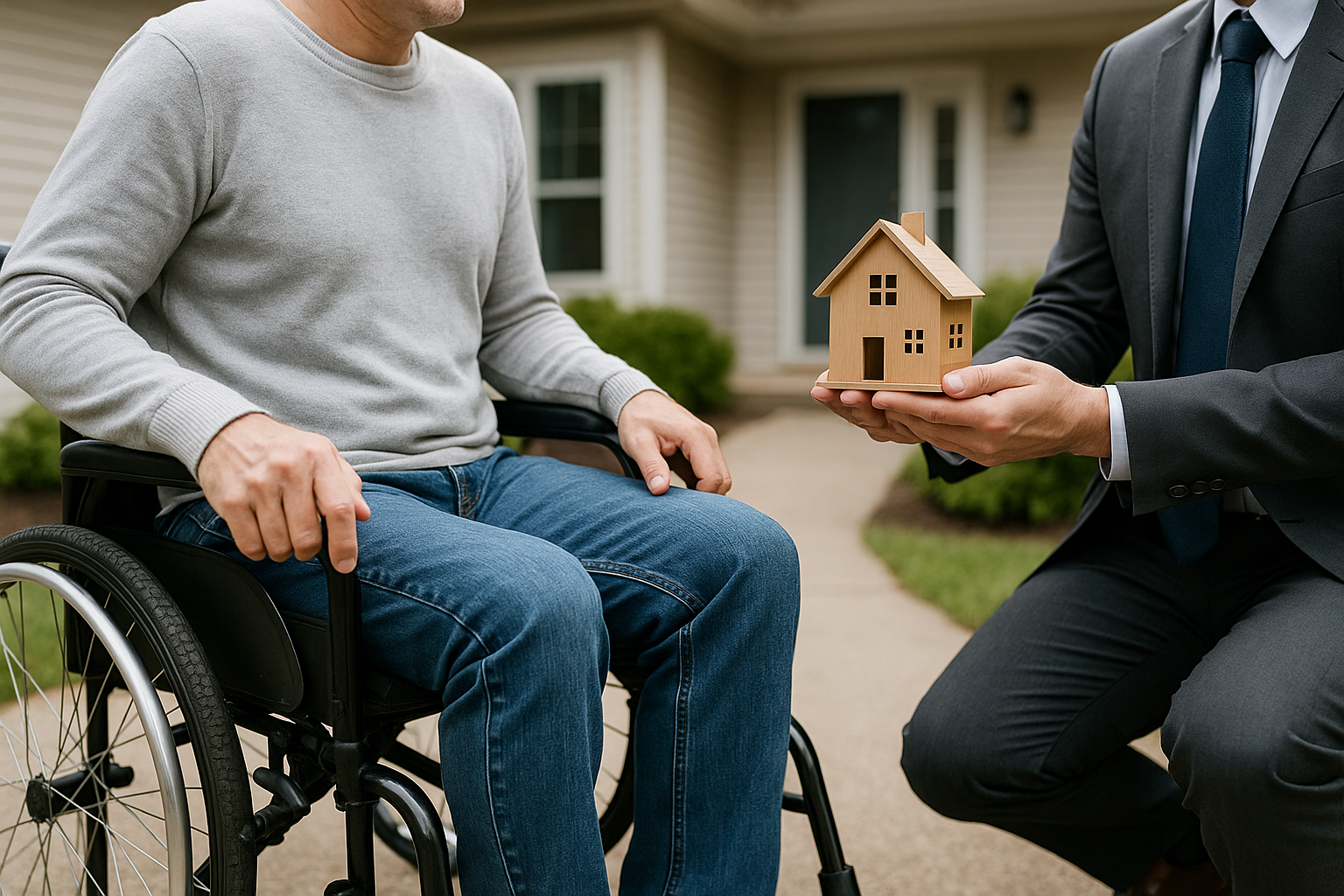
Understanding Home Insurance and Accessibility Modifications
Home insurance is a vital safeguard for homeowners, providing financial protection against various perils and unexpected events involving your property. However, when it comes to modifications for accessibility reasons, many homeowners question whether their policy covers these expenses. This topic is significant for individuals planning to make their homes more accessible to accommodate disabilities or mobility issues.
What Are Accessibility Modifications?
Accessibility modifications involve altering a home to make it more usable for individuals with disabilities or those with limited mobility. These changes can include anything from installing ramps and handrails to making structural alterations like widening doorways or lowering countertops for wheelchair access. The goal is to create a safe and comfortable environment that allows individuals to live independently.
Common Types of Accessibility Modifications
- Ramps and lifts for wheelchair users
- Walk-in showers and grab bars in bathrooms
- Widened doorways and hallways
- Modified kitchen cabinets and countertops
- Smart home technologies for remote control of home functions
Does Home Insurance Cover Accessibility Modifications?
Generally, standard home insurance policies do not cover costs for voluntary home modifications, including those for accessibility. Most policies are designed to protect against damage or loss from unexpected events, such as fires or theft, rather than improvements or upgrades. Nonetheless, some policies may provide support under specific conditions.
When Could Home Insurance Cover Modifications?
Coverage might be available if modifications are necessary due to damage covered by your policy. For example:
- If a fire damages your home, and repairs necessitate modifications to meet current accessibility standards, your policy might help cover these costs.
- Following a covered event, you might be eligible for "additional living expenses" coverage, which can include temporary modifications necessary during the repair period.
Specialized Insurance and Financial Assistance
If your current home insurance policy doesn't cover accessibility modifications, other avenues could help finance these essential changes.
Riders and Endorsements
Some insurers offer add-on options, known as riders or endorsements, that extend coverage to include certain types of home modifications. This option can sometimes cover accessibility improvements, but you should confirm with your insurance provider.
Government Programs
Various government programs provide financial assistance for home modifications aimed at improving accessibility. The US Department of Veterans Affairs (VA) offers grants like the Specially Adapted Housing (SAH) Grant to qualified veterans. Additionally, the US Department of Housing and Urban Development (HUD) has programs that might help.
Local Non-Profit Organizations
Many non-profit organizations, both national and local, can assist with funding modifications. Organizations like Rebuilding Together are dedicated to ensuring safe and healthy home environments, often focusing on accessibility for aging-in-place needs and people with disabilities.
Steps to Take When Planning for Accessibility Modifications
Setting the stage for smooth and effective accessibility modifications involves careful planning.
1. Assess Your Needs
Identify the specific needs of the individual requiring accessibility adaptations. Consider future needs to ensure longevity of the modifications.
2. Consult Professionals
Work with architects or builders specialized in accessibility modifications to design plans that comply with legal standards and maximize functionality.
3. Review Your Insurance Policy
Contact your insurance provider to discuss your current policy and explore any potential for coverage or additional riders that might cover modifications.
4. Explore Financial Assistance Options
Research available grants, loans, and assistance programs to support your project. Be thorough in understanding application processes and eligibility requirements.
Conclusion
While conventional home insurance policies typically don't cover voluntary accessibility modifications, exploring additional riders or alternatives such as government programs and non-profit assistance can provide the necessary support. As home adaptations become increasingly essential to meet the needs of our aging population and people with disabilities, it's crucial to understand your options and plan carefully to ensure your home can accommodate all inhabitants comfortably.