Understanding Home Insurance Coverage for Disabled Homeowners: What You Need to Know
Discover how home insurance can provide vital protection for disabled homeowners, helping cover essential modifications and unexpected repairs. While standard policies offer a foundation, explore tailored options specifically designed for disabled individuals.
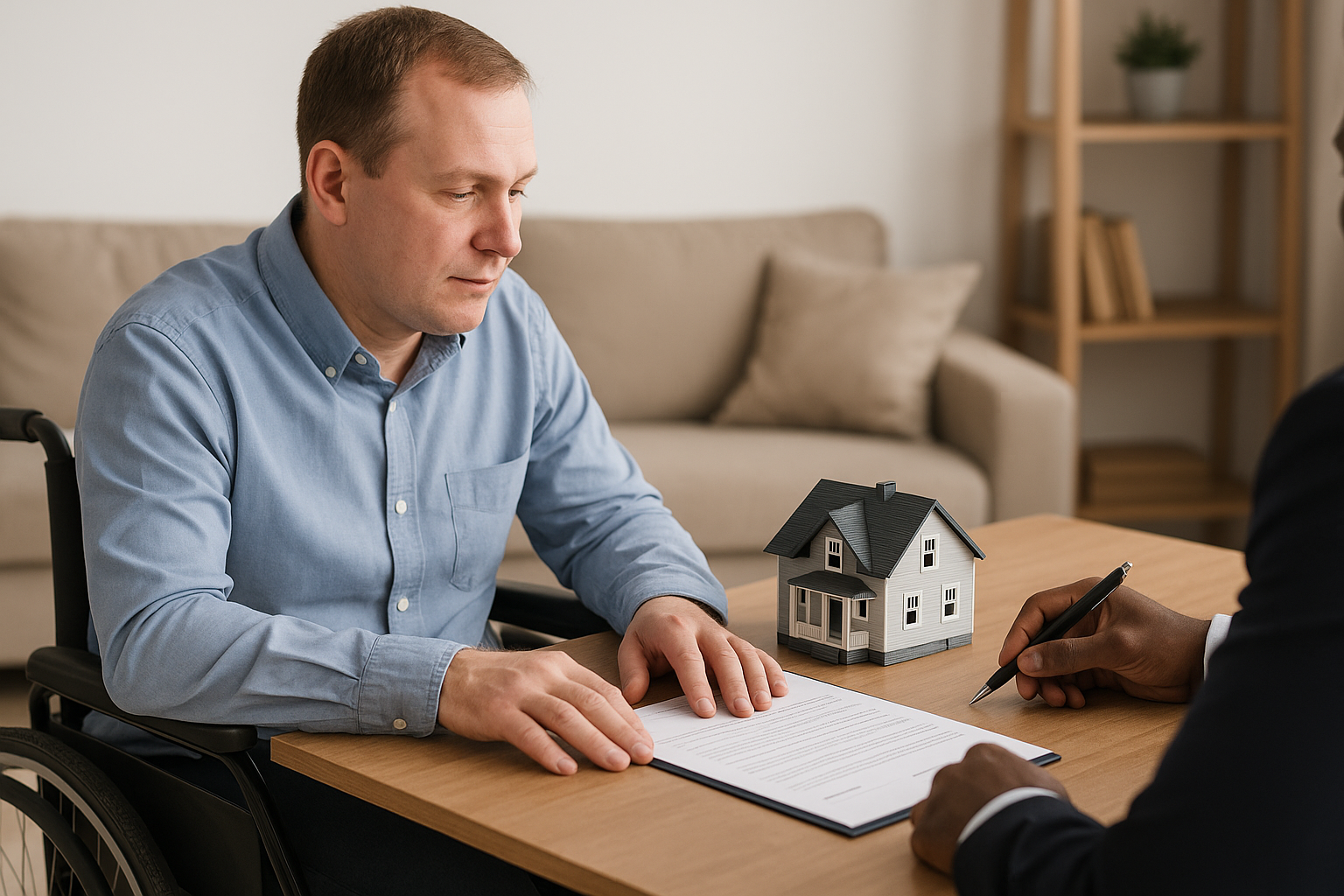
Understanding Home Insurance for Disabled Homeowners
Home insurance is a crucial aspect of protecting your dwelling and personal property from unexpected perils. For disabled homeowners, the importance of comprehensive coverage is even greater, as it provides necessary support and security that can be tailored to meet specific needs. This article will delve into what home insurance covers for disabled homeowners, ensuring they can maintain peace of mind and financial stability.
What Does Home Insurance Typically Cover?
Home insurance typically includes coverage for structures like your home, detached buildings, and personal belongings. It also includes liability protection in case you are responsible for injuries or damages to others, and additional living expenses if your home becomes uninhabitable due to a covered peril.
- Dwelling and Structures Coverage: Protects against damages to the home and other structures on the property, such as garages or sheds, from incidents like fire, windstorms, and vandalism.
- Personal Property Coverage: Includes coverage for personal items within the home, such as furniture, electronics, and clothing, typically from perils like theft or fire.
- Liability Protection: Offers protection if someone is injured on your property or if you are responsible for damage to someone else's property.
- Additional Living Expenses: Covers temporary living costs incurred if your home is uninhabitable due to a covered event.
Special Considerations for Disabled Homeowners
Disabled homeowners may require additional coverage or modifications in their existing home insurance policies. Here are some tailored considerations:
- Adaptive Equipment: Specialized equipment and modifications in the home, such as stair lifts or wheelchair ramps, need to be covered to ensure they are repaired or replaced if damaged.
- Medical Equipment: Medical devices that are part of your daily living may require a separate endorsement to ensure they are fully covered.
- Increased Liability Limits: With increased foot traffic from caregivers or therapists, higher liability coverage can protect against potential lawsuits resulting from injuries on your property.
Customization Options in Home Insurance
It's essential for disabled homeowners to review their insurance needs regularly and make necessary adjustments. Here are some customization options available:
- Endorsements and Riders: These additions can cover specific needs, like high-value medical devices not included in standard personal property coverage.
- Increased Coverage Limits: Raise the limits on your existing coverage to ensure all valuable and necessary items in your home are adequately protected.
- Flood or Earthquake Insurance: Depending on geographic location, special insurance for floods or earthquakes may be vital, as standard policies do not cover these perils.
Legal Protections and Rights
It's crucial to be aware of the legal protections and rights that exist for disabled homeowners. The Fair Housing Act, for example, prohibits discrimination in housing, including against individuals with disabilities. This means that insurers must not discriminate or alter coverage terms unfairly based on a homeowner's disability status.
Moreover, state laws vary, so it's advisable for individuals to consult local resources or legal experts to understand specific protections available to them. Organizations such as [Disability Rights Legal Center](https://www.drlcenter.org) can offer guidance and support.
Cost-Saving Tips for Disabled Homeowners
Home insurance can be costly, so here are some strategies disabled homeowners can use to save on premiums:
- Bundling Policies: Combine home insurance with other policies, like auto insurance, to receive a discount.
- Security Systems: Installing a home security system can reduce premiums as it decreases the likelihood of burglary claims.
- Regular Reviews and Shop Around: Annually review your policy and compare quotes from different insurers to ensure you're getting the best deal.
Real-World Example
Consider the case of Emily, who became a full-time wheelchair user after an accident. Emily needed her home insurance to cover her expensive stair lift and several medical devices. After consulting with her insurer, Emily added a special endorsement for high-value equipment and increased her liability coverage to protect against potential claims. These steps ensured that her needs were fully met, giving her complete peace of mind.
Conclusion
Home insurance for disabled homeowners is not just an optional safety net but a critical tool for safeguarding against unexpected financial strain. By understanding typical coverages, knowing your rights, and customizing your policy to fit your specific needs, you can ensure comprehensive protection. Regularly reviewing and adjusting your policy to reflect changes in your situation will further ensure that you remain adequately covered.
References
https://www.progressive.com/answers/home-modifications-for-disabled/
https://www.insurance.com/home-and-renters-insurance/home-insurance-disabled
https://www.travelers.com/resources/insurance-101/home-auto-insurance-tips-people-with-disabilities
https://smartfinancial.com/home-modifications-for-disabled
https://www.dicklawfirm.com/blog/2022/october/does-homeowners-insurance-cover-home-modificatio/