Understanding Home Insurance: Does It Cover Accessibility Modifications for Wheelchair Access?
Curious about how home insurance interacts with wheelchair accessible home changes? When considering modifications to improve accessibility, it’s important to understand what your policy might cover.
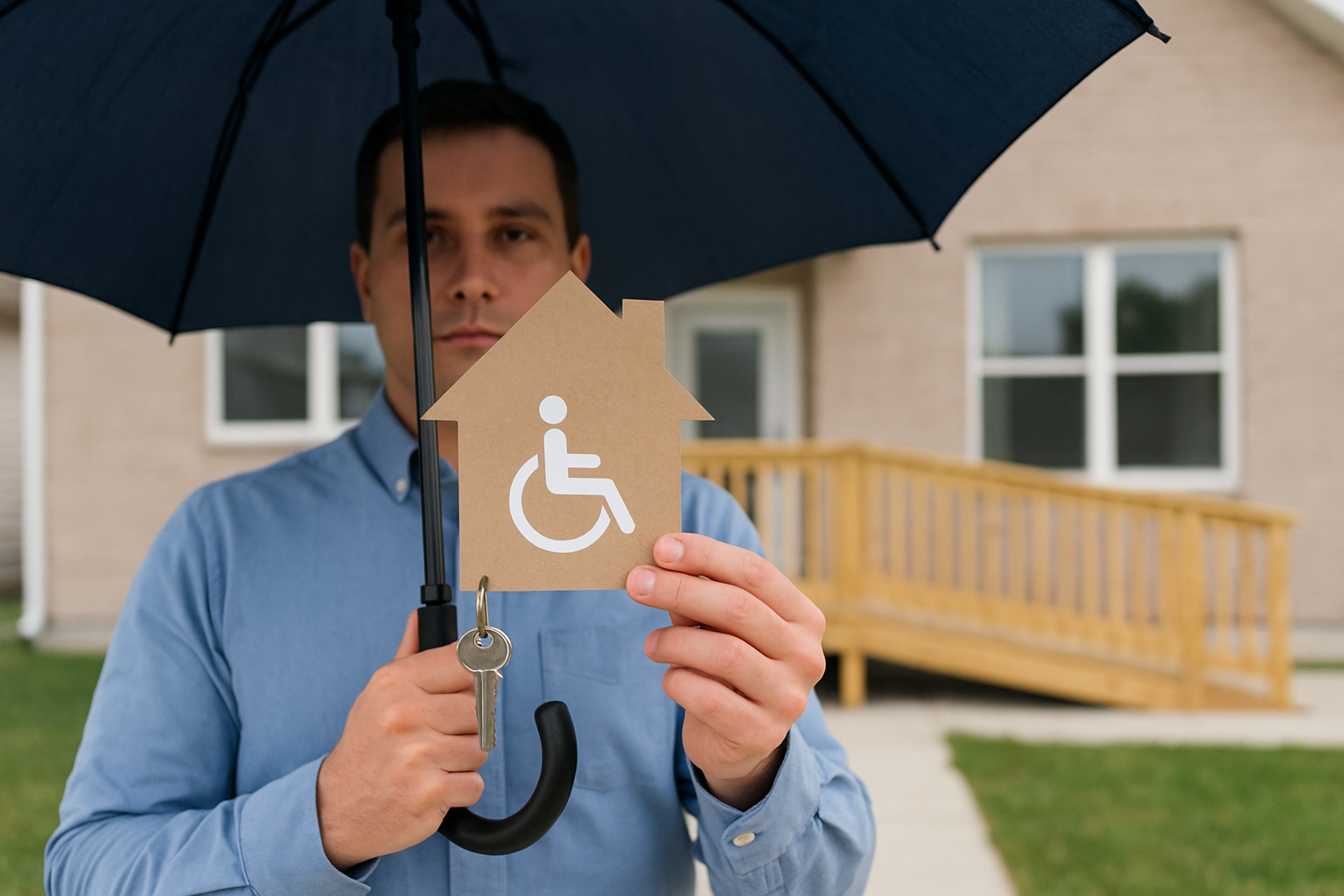
Understanding Home Insurance: What Does It Cover?
Home insurance is a crucial investment for homeowners, offering protection against a variety of perils such as theft, fire, and certain natural disasters. However, for those considering home modifications for wheelchair accessibility, understanding the specifics of what home insurance covers becomes essential. Does your policy underwrite improvements like ramps or modified bathroom facilities? Let's delve into these aspects to clarify any uncertainties.
Does Home Insurance Cover Wheelchair Accessible Home Changes?
In general, standard home insurance policies do not automatically cover renovations or modifications aimed at making a home more accessible, such as installing wheelchair ramps or widening doorways. These are considered elective renovations rather than repairs necessitated by damage or unforeseen events.
However, there are scenarios where insurance might play a role:
- If the modifications are required due to damage covered by your policy (e.g., if a fire required rebuilding parts of your home, and you opted for accessible features during reconstruction).
- Through riders or add-ons specifically included in your policy; some insurers offer additional coverage for accessibility upgrades.
- Under personal liability coverage, if you need to make changes following an accident or disability that requires such modifications.
Exploring Coverage Options for Accessibility Modifications
Many homeowners may need to purchase additional coverage or riders. A rider is a provision of an insurance policy that adds to or amends the coverage or terms. Discuss with your insurance provider about:
- Home Renovation Riders: Specific riders can be tailored to cover the expenses of accessibility renovations.
- Disability Coverage: Sometimes, disability insurance policies could assist if the modifications are crucial following an accident causing disability.
Insurers are beginning to recognize the need for specific policies that cover home modifications due to disability or aging, especially as accessibility becomes a prevalent concern for a rapidly aging population.
Financial Assistance Beyond Home Insurance
While your current home insurance might not cover accessibility modifications, there are numerous government and nonprofit programs offering financial aid:
Government Grants and Programs
Consider these when planning modifications:
- USDA Rural Development: Offers grants for low-income homeowners in rural areas needing to address health and safety hazards, which can include accessibility modifications.
- Department of Veterans Affairs (VA): Provides various grants to veterans requiring housing adaptability.
- State Programs: Many states have assistance programs for seniors and individuals with disabilities needing home modifications. Research specific options relevant to your location.
Staying informed about newly launched programs in 2026 is crucial, as evolving policies can offer timely benefits.
Nonprofit Organizations
Numerous nonprofits focus on helping individuals with disabilities make necessary home adjustments:
- Rebuilding Together: This organization provides critical repairs and accessibility enhancements for low-income homeowners.
- Habitat for Humanity: Their home repair program includes accessibility upgrades as part of their established offerings.
The Importance of Planning Ahead
Ensuring your home is accessible should not be a reactionary measure — planning is crucial. From choosing the right insurance add-ons to leveraging available financial assistance, proactive steps can ensure your home environment remains conducive as needs evolve.
Consider conducting an assessment with professionals to understand the specific modifications your home will require, and the potential costs involved. In 2026, the average cost for a basic ramp installation might range from $1,500 to $4,000, with more extensive modifications requiring larger budgets.
Staying Informed
The landscape of insurance and financial aid changes rapidly. Keeping informed about policy changes and new financial assistance programs can help you to manage costs effectively. For the most current statistics and support programs, resources such as NAHB or National Institute on Aging offer valuable insights.
Conclusion: crafting a future-ready home
Understanding the intricacies of home insurance and the availability of additional resources is crucial in crafting a future-ready accessible home. Support is available, but it requires a strategic combination of insurance insights and knowledge of auxiliary financial resources. Don't let misconceptions about coverage obstruct the path to making necessary accessibility improvements in your home. Start by reviewing your current home insurance policy, discussing options with your provider, and researching available grants and subsidies to ensure your home remains not just accessible, but comfortable and safe.
References
- Home Modifications for Disabled and Insurance Coverage Explained
- Does Insurance Cover Handicap and Wheelchair Ramps?
- Home Insurance and Accessibility Features for Disabled Homeowners
- Home Insurance and Modifications for Disabled Individuals Guide
- Does Medicare Cover Wheelchair Ramps or Home Accessibility Changes