Understanding Home Insurance Options for Disability Equipment Coverage
Discover the options available for home insurance that may cover disability equipment in homes. Learn about varying policies that could offer protection for essential gear used in daily living.
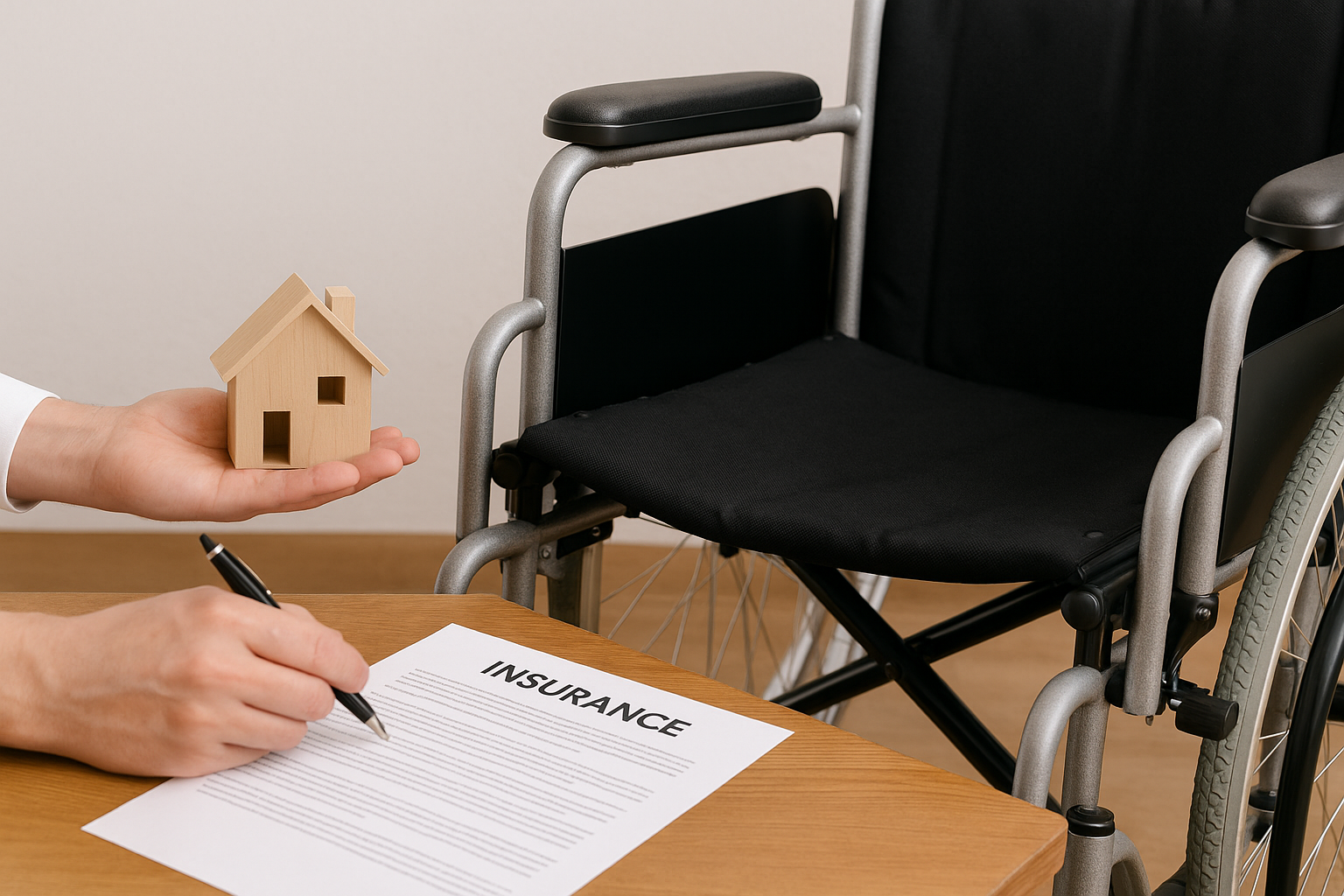
Understanding Home Insurance and Disability Equipment Coverage
For many individuals living with disabilities, ensuring the proper protection of their essential equipment is a priority. Whether it's a wheelchair, stairlift, or any other adaptive device, these items are not just possessions; they are crucial for daily living. Given their importance and often significant cost, it's vital to understand how home insurance policies can cover them.
What is Home Insurance?
Home insurance is a type of property insurance that covers a private residence. It is a package policy, which means it covers both damage to property and the liability or legal responsibility for any injuries and property damage policyholders might cause to others. Standard home insurance policies come in various packages tailored to renters (renters insurance), homeowners, and landlords.
Does Home Insurance Cover Disability Equipment?
While many assume that home insurance covers all belongings, the reality can be more complex, especially when it comes to specialized equipment like medical or disability aids. Typically, personal property coverage within your home insurance policy would cover personal belongings, which might include disability equipment. However, coverage limits and conditions can vary significantly between policies.
Most policies offer coverage for items inside your home due to covered risks like fire, theft, or vandalism. However, the coverage amount can depend on the policy's terms and the value of the equipment.
Choosing the Right Coverage for Disability Equipment
To ensure adequate protection for disability equipment, consider the following steps:
- Evaluate the Equipment’s Value: Start by assessing the replacement value of all the disability equipment in your home.
- Review Your Existing Policy: Check if your current home insurance covers the equipment sufficiently or if additional coverage is needed.
- Consider an Endorsement: If your current policy falls short, investigate adding an endorsement, which is an addition that alters the terms or scope of your insurance policy to provide added protection specifically for your disability equipment.
- Shop Around: Different insurers offer varying levels of coverage, so it’s wise to compare plans. Insurers like Allstate, State Farm, and USAA might have specialized policies or options that include provisions for disability equipment.
Real-World Examples of Coverage Options
Suppose you have a motorized wheelchair valued at $20,000. Your standard home insurance policy might cover personal property up to a certain limit, say $10,000 for any single item. In this case, an endorsement specifically covering greater value for your wheelchair would be necessary. Another example could be a customized stairlift, where potential damage from common perils like fire or theft would be covered if declared as part of your policy.
A case study from 2025 demonstrated a homeowner who successfully added coverage for a $15,000 home automation system that included disability controls, showing that endorsements and tailored policies can effectively bridge gaps in standard coverage (Insurance Industry Times, 2026).
Top Questions about Disability Equipment Coverage in Home Insurance
How Much Does Additional Coverage Cost?
The cost of adding coverage for disability equipment varies. Typically, endorsements or additional coverage can cost between 1% to 5% of the item’s value annually. For precision, an insurance quote can be obtained directly from insurers to provide a more tailored figure.
What to Do in Case of Damage to Disability Equipment?
In the unfortunate event of damage, prompt action is crucial. Document the damage thoroughly with photographs and notes, then contact your insurance provider to initiate a claim. It is important to have receipts and records of purchase accessible to expedite the process.
Can Renters Include Disability Equipment in Their Insurance?
Renters insurance policies typically cover personal property, including disability equipment. Just like homeowners, renters should ensure that their equipment’s value is within the policy limits or seek additional coverage through endorsements if needed.
Conclusion
Having disability equipment properly covered by home insurance protects not only your financial investment but also your quality of life and independence. As you navigate these coverage options, thorough research and consideration of your current and future needs are essential. Engage with insurance professionals to sculpt a policy that adequately reflects your circumstances and keep abreast of policy adjustments that could enhance your coverage over time.
For the most tailored advice, always consult with an insurance advisor who understands the specifics of disability needs and can provide solutions suited to your personal situation. Recent data emphasizes the growing awareness of such needs in the insurance industry (National Insurance Review, 2026), underlining the importance of comprehensive coverage.
References
https://www.progressive.com/answers/home-modifications-for-disabled/
https://www.insurance.com/home-and-renters-insurance/home-insurance-disabled
https://www.travelers.com/resources/insurance-101/home-auto-insurance-tips-people-with-disabilities
https://www.morganscc.org/insuring-durable-medical-equipment/